
 Inquiry

 English
 Français
 Español
Pet-proof Dog Gate Factory
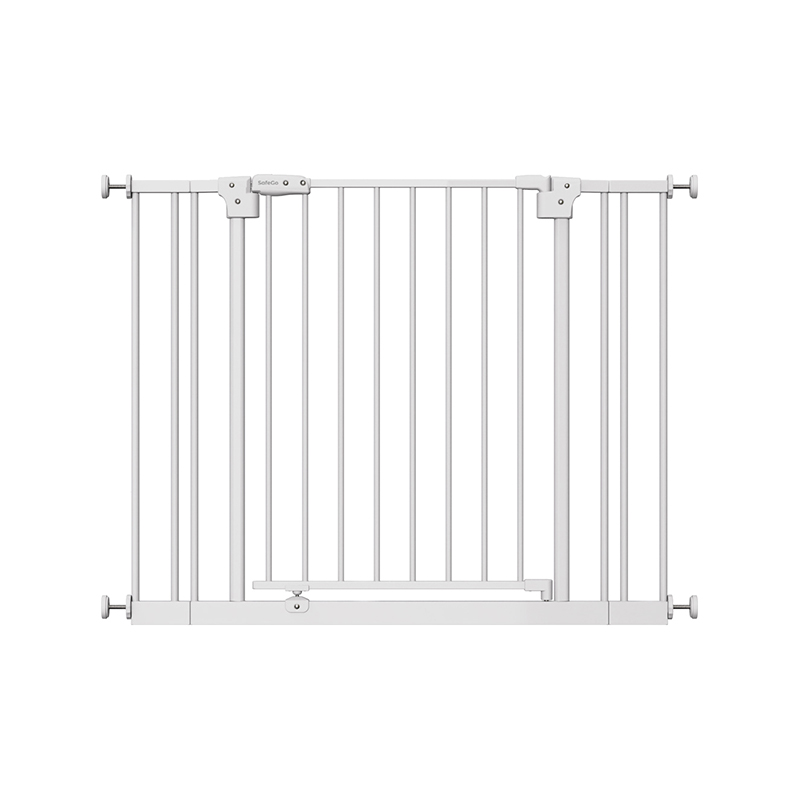
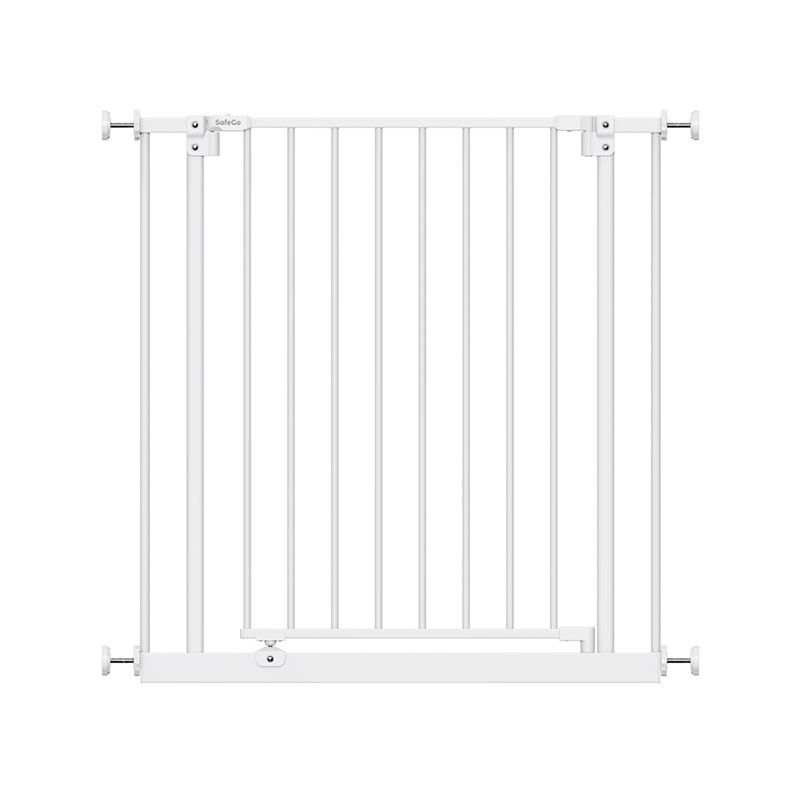
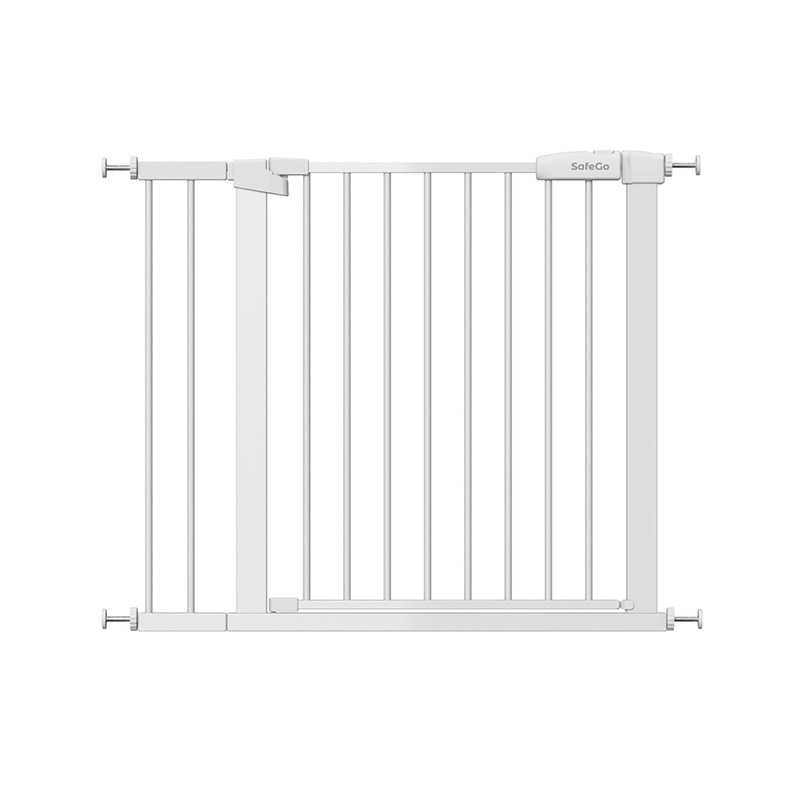
Pressure gates are an essential safety solution for families looking to create secure boundaries within their homes—without the need for drilling or permanent installation. These versatile gates use a pressure-mounted system that firmly locks into place between walls or door frames, providing a sturdy barrier ideal for keeping children and pets safely confined to designated areas. Whether you're protecting stairways, kitchens, or other off-limit zones, pressure gates offer a reliable and damage-free method of enhancing home safety.
Designed for quick setup and hassle-free removal, pressure gates are ideal for renters or homeowners seeking temporary or flexible safety solutions. They come in various sizes, finishes, and materials to complement any interior décor while maintaining full functionality. Many models include features such as auto-close mechanisms, dual-direction openings, and one-handed operation, making them both child-proof and user-friendly.
From babyproofing your living space to managing pet access, pressure gates provide peace of mind through strong, dependable barriers. Explore our wide range of pressure gates to find the ideal fit for your space—ensuring your loved ones remain protected while preserving the comfort and style of your home.
About Us
Our company is a professional China Standard Pressure Gate Manufacturer and Sale Standard Pressure Gate Factory. With a modern production base of 50,000 square meters and nearly 300 employees, we are supported by advanced production technology and a rigorous quality management system, and are committed to providing high-quality, cost-effective child safety products. Our products are certified to meet European and American safety standards, and our factory has obtained ISO 9001 and BSCI certifications, ensuring that every product complies with international safety requirements. In addition, we provide flexible OEM/ODM services to meet the diverse needs of global customers. Over the years, we have earned the trust of families worldwide with our excellent products and reliable services.

Latest News
-
Where Should A Swinging Outdoor Dog Gate Be Installed?
Yard layout decisions matter more than most pet owners realize when planning containment, and a swinging outdoor dog gat...
-
What Makes Extra Tall Pressure Fit Gate Safer For Stairs?
Parents shopping for stair barriers around large dogs or climbing toddlers keep running into the same limitation with st...
-
Can Pressure Mounted Wide Gate Fit Modern Homes?
Pressure mounted wide gate layouts are becoming part of home planning conversations as open floor designs continue to re...
-
Why Do Outdoor Gates Behave Differently Throughout The Year?
A swinging outdoor dog gate may seem like a simple product at first glance. It opens, closes, and helps define where pet...
Contact Us
To receive exclusive offers and the latest deals, enter your email address below.
Industry Knowledge Extension
What is the Production Process for a Pet-Proof Dog Gate?
Pet-proof dog gates are essential for pet owners who want to keep their furry friends safe while maintaining a clean and organized home. These gates are designed to withstand the curiosity and strength of pets, ensuring they stay out of restricted areas. But what goes into making these robust and reliable barriers?
Design and Planning
The step in the production process is designing the gate. Engineers and designers collaborate to create a blueprint that meets safety standards and caters to various pet sizes and breeds. Considerations include the gate's height, width, material, and the mechanism for opening and closing.
Material Selection
The choice of material is crucial for a pet-proof dog gate. Durable materials like metal or reinforced plastic are often used to ensure the gate can withstand the force of a curious or determined pet. The material must also be non-toxic and safe for pets to interact with.
Manufacturing
Once the design is finalized, the manufacturing process begins. Metal gates undergo welding and powder coating for a sleek finish, while plastic gates are molded and assembled. Each component is precision-engineered to ensure the gate is both sturdy and easy to use.
Assembly
The individual parts of the gate are assembled with care. Hinges, latches, and extensions are added to complete the gate. Quality control checks are performed at various stages to ensure each gate meets the required specifications.
Packaging and Distribution
Finally, the completed gates are packaged and shipped to retailers or directly to consumers. Packaging must protect the gate during transit and be easy to open for quick setup.
What are the Sizes of Pet-Proof Baby Gates?
Pet-proof baby gates come in a variety of sizes to accommodate different doorways and hallways in a home. Understanding the range of sizes available is essential for choosing the right gate for your needs.
- Standard Sizes
Many pet-proof baby gates are available in standard sizes such as 24 inches, 30 inches, and 36 inches wide. These widths are suitable for standard doorways and can be extended with additional panels if needed.
- Adjustable Widths
Some gates are designed to be adjustable, allowing them to fit wider openings. These gates often have a range, such as 28-48 inches, providing flexibility for various spaces.
- Height Considerations
In addition to width, the height of the gate is also an important factor. Many pet-proof gates are at least 32 inches tall to prevent pets from jumping over them. Some gates can be as tall as 42 inches to accommodate larger pets.
- Custom Solutions
For unique spaces or larger openings, custom-sized gates can be ordered. These are tailored to fit specific dimensions, ensuring a fit and safety.
What is the Origin of the Definition of a Standard Pressure Baby Gate?
The term standard pressure baby gate refers to a type of safety gate that uses pressure to mount securely without the need for drilling or permanent installation. But where did this definition originate from?
Early Baby Gates
The concept of baby gates has been around for centuries, with early versions being simple wooden barriers. As homes became more modern, the need for a more secure and convenient gate arose.
Pressure-Mounted Gates
In the late 20th century, pressure-mounted baby gates were introduced. These gates used tension between two surfaces to hold the gate in place, eliminating the need for hardware or drilling.
Standardization
As pressure-mounted gates gained popularity, a standard definition emerged to describe their functionality. This definition emphasized the ease of installation and the safety provided by these gates, which could be used in homes with pets and children.
Regulations and Safety Standards
Over time, safety standards were developed to ensure that baby gates, including standard pressure gates, met specific requirements. These regulations helped to further define what constitutes a standard pressure baby gate.



Hangzhou Yiyuan Household Products Co., Ltd.
Product Center
Contact Us
- +86-15268686909
- [email protected]
- Room 1303, Tianyue Times Building, No. 750 Fengqing Road, Gongshu District, Hangzhou, Zhejiang, China
Copyright © 2025 Hangzhou Yiyuan Household Products Co., Ltd. All Rights Reserved.

Standard Pressure Gate Factory