 Inquiry

 English
 Français
 Español
- Type:
- Industry News
- Date
- 2026-Apr-17
Industry News
Home / News / Industry News / Watch for Shifting: A Pressure-Mounted Baby Gate No Drilling Needed Regular Retightening
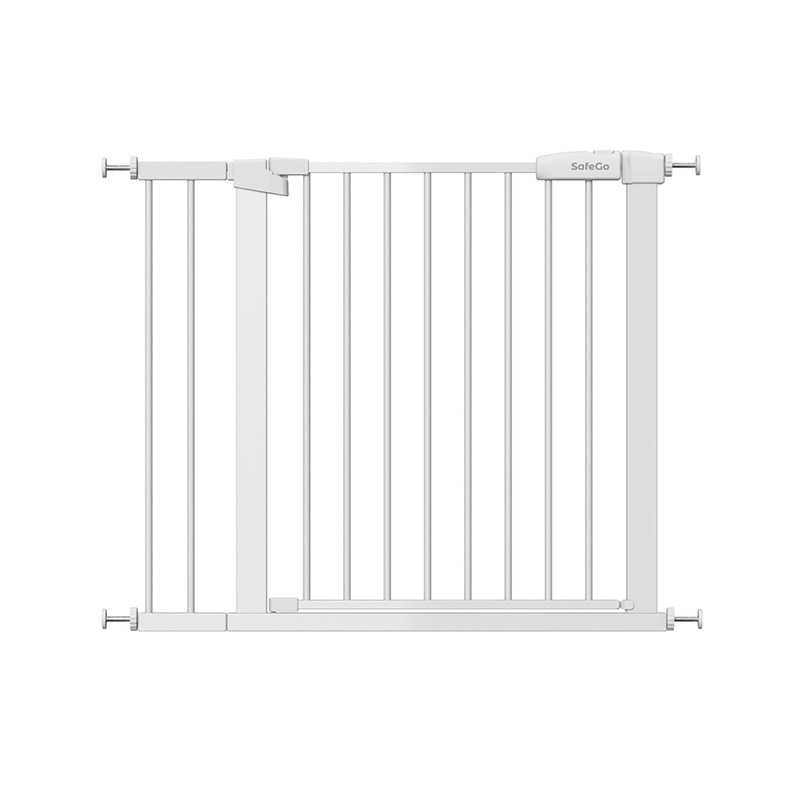
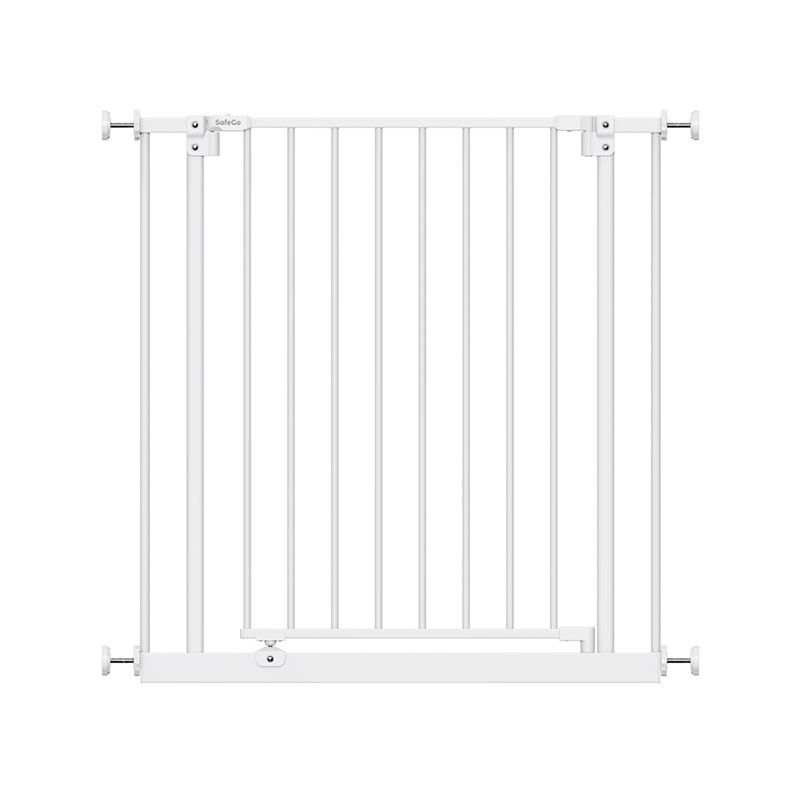
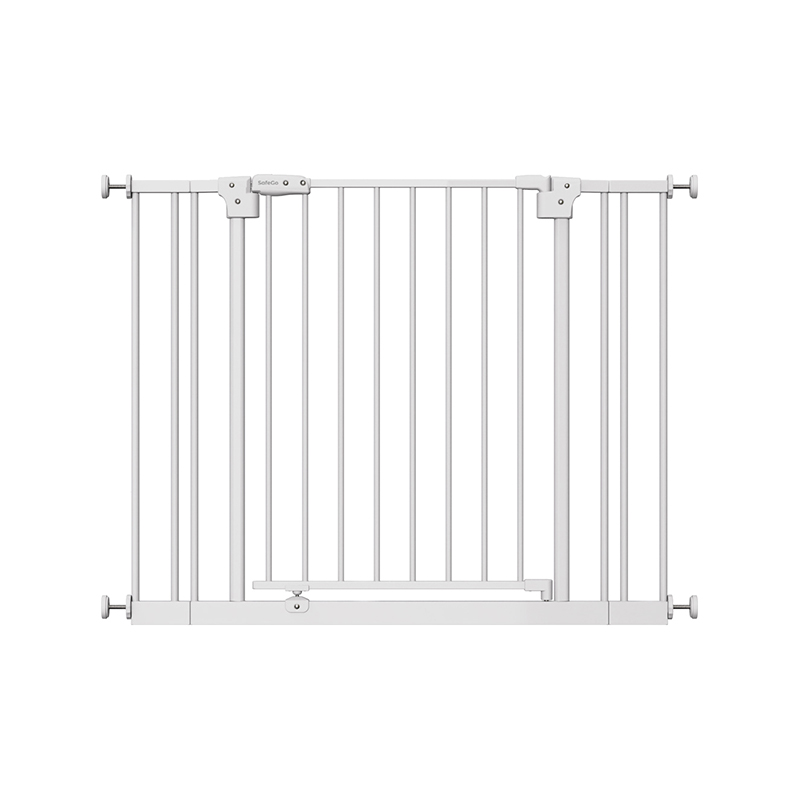
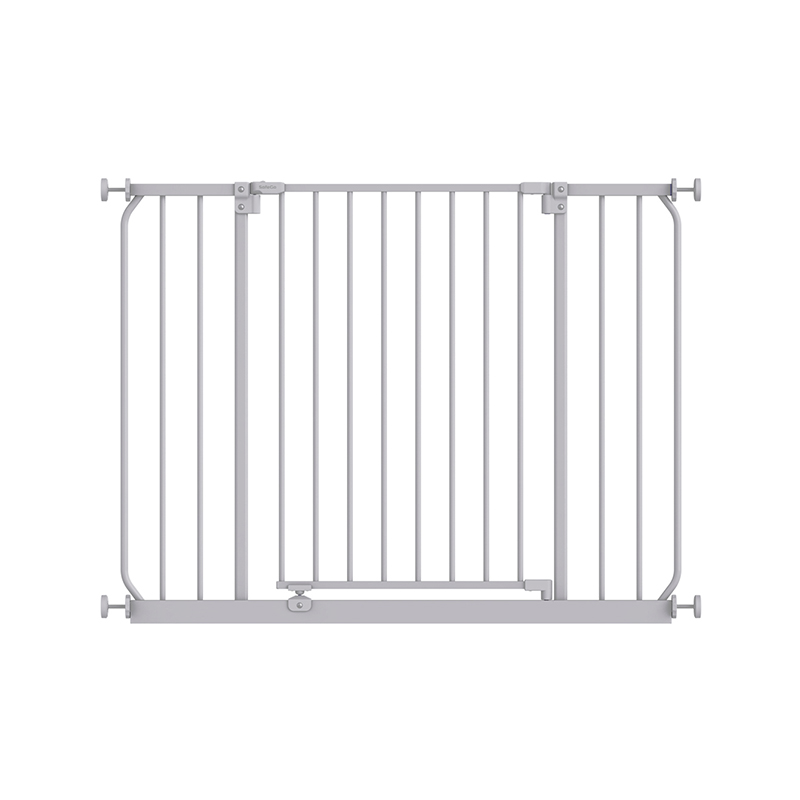
A pressure-mounted baby gate no drilling, offers convenience at installation time, but that convenience comes with a recurring responsibility: checking and retightening the gate over its life. Many parents assume that once the gate feels firm, it will stay that way. Experience from households shows that gradual shifting is common.
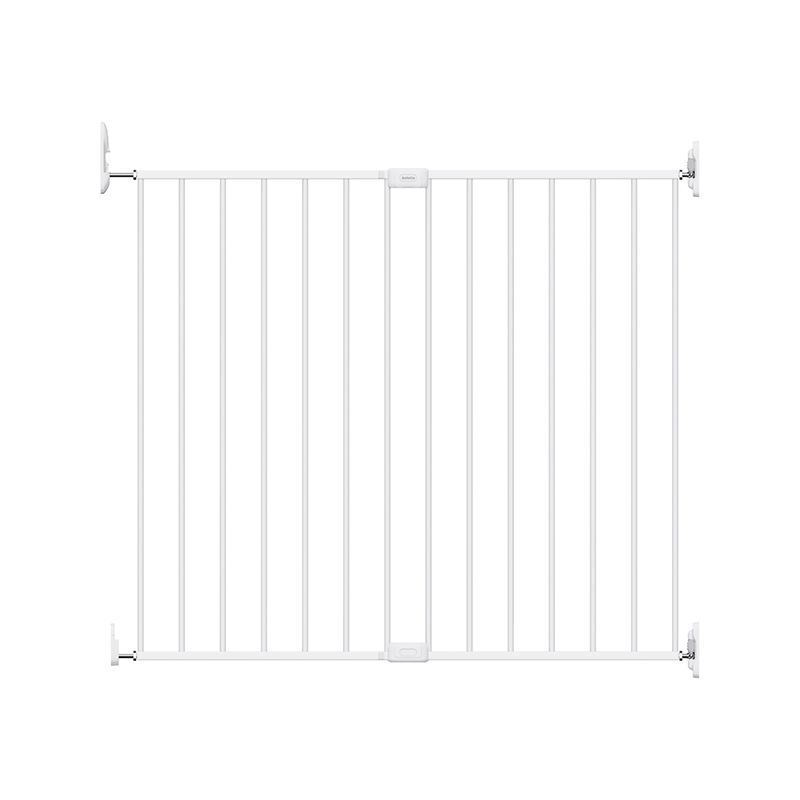
Several factors cause a pressure-mounted baby gate, no drilling,g to lose its initial tightness.
Daily vibration: Every time the gate is opened and closed, small vibrations pass through the frame. A child who shakes the gate while standing near it adds more movement. Over days and weeks, these tiny motions can cause the pressure pads to creep slightly inward.
Material compression: The rubber or foam pads on a pressure gate are designed to compress and grip. However, under continuous force, these materials can take a permanent set, meaning they become slightly thinner. As the pads thin, the pressure against the wall decreases.
Seasonal changes in wood: Wood door frames and trim absorb and release moisture with changes in humidity. In dry winter air, wood shrinks a little. A gate that was tight in summer may become loose in winter because the distance between the two frames has decreased.
Floor movement: In older homes, floors may have some give when people walk past. The slight flexing of the floor can transfer to the wall and affect the gate’s fit.
A pressure-mounted baby gate, which does not require drilling, usually does not fail all at once. Instead, it gives warning signs. Look for:
Visible gaps: Place your eye at the side of the gate and look along the edge where the pad meets the wall. If you can see a sliver of light or a gap wider than a piece of paper, the gate has loosened.
Rattle or click when pushing the handle: When you press on the gate near the latch, a firm gate makes no sound. A loose gate may click or rattle.
The gate rotates slightly: If you can twist the gate by hand around its vertical axis, the pressure is not even.
The pressure indicator shows a warning color: Some gates have a small window with a green or red indicator. Red means retighten.
Retightening a pressure-mounted baby gate, without drilling, is simple but requires a gentle touch.
Locate the adjustment knobs or screws. These are usually on the side of the gate frame or on the pressure pads themselves.
Turn each knob a small amount. Do not force them to the maximum possible tightness. A quarter turn at a time is enough.
Check both sides. If only one side is tightened, the gate may become crooked.
Test by pushing the gate near the latch. The gate should feel solid, but the walls should not bow outward.
Repeat every few weeks. Adding this task to a regular household chore list helps.
Sometimes, a pressure-mounted baby gate, no drilling, keeps loosening even after repeated adjustments. This situation suggests that the mounting surfaces are not suitable. For example, a hollow door frame may flex under pressure, or a wall may have a soft spot. In such cases, consider moving the gate to another location or switching to a hardware-mounted gate.
It is possible to apply too much force. Overtightening can dent drywall, crack wood trim, or permanently deform the gate’s plastic frame. The goal is a firm fit, not a strained one. If you hear creaking from the wall or see the wall surface starting to dimple, loosen the gate slightly.
A pressure-mounted baby gate, no drilling, serves well when owners accept that it needs periodic care. Regular checking takes only a minute or two and greatly reduces the chance of unexpected shifting.




Baby Safety Pen & Pet Gate Factory