
 Inquiry

 English
 Français
 Español
- Type:
- Industry News
- Date
- 2026-Apr-10
Industry News
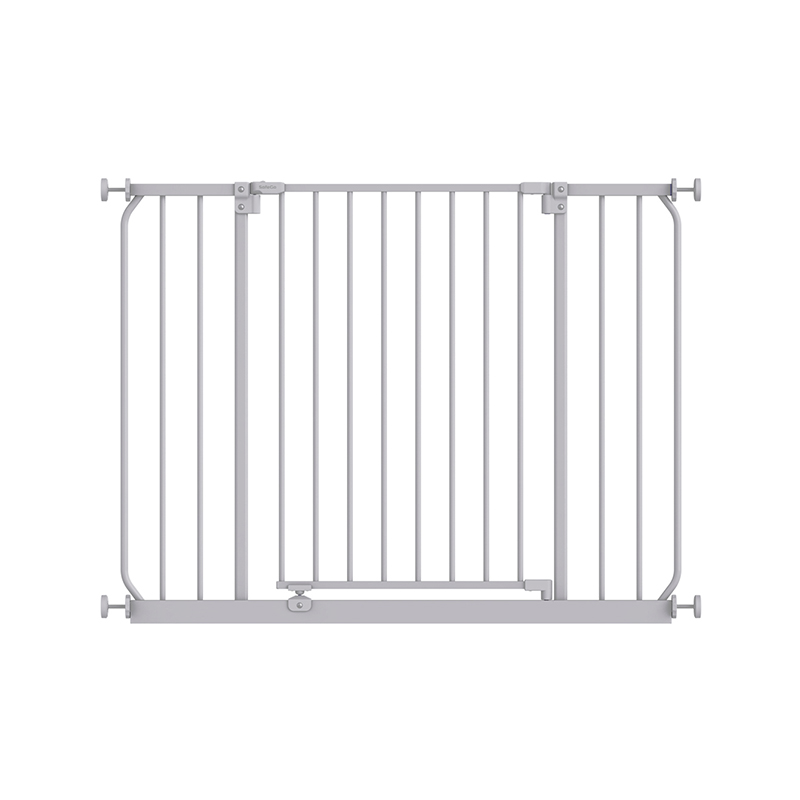
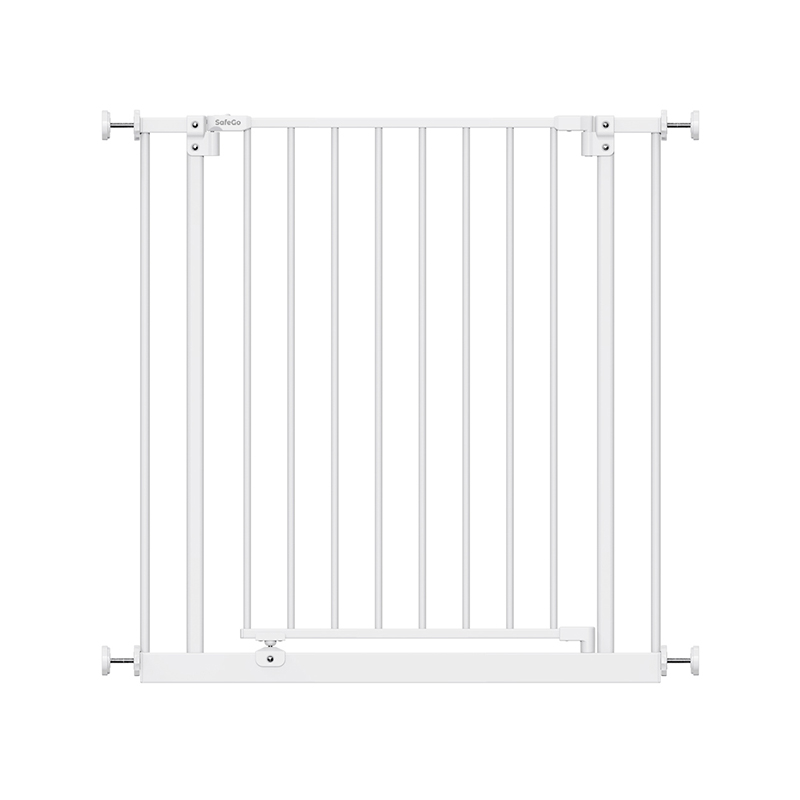
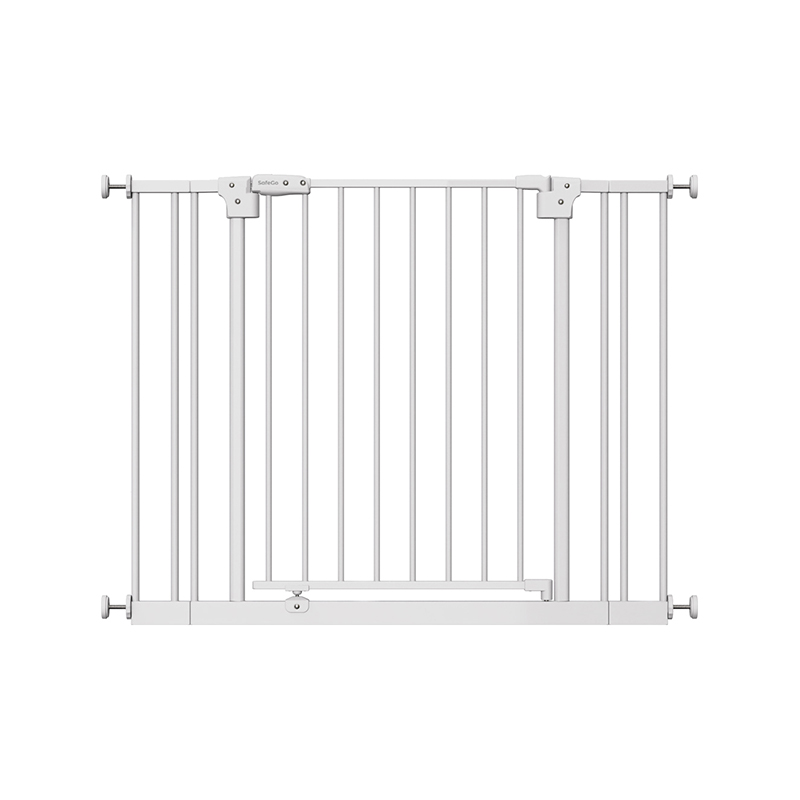
Pressure-Mounted Baby Gate No Drilling Suitable Spaces and Limits
While a pressure-mounted baby gate no drilling, is popular for its ease of use, not every doorway or wall works well with this design. Knowing where such a gate can function reliably—and where it should never be used—helps parents avoid safety risks. This article outlines the suitable spaces and the clear limits of this type of gate.
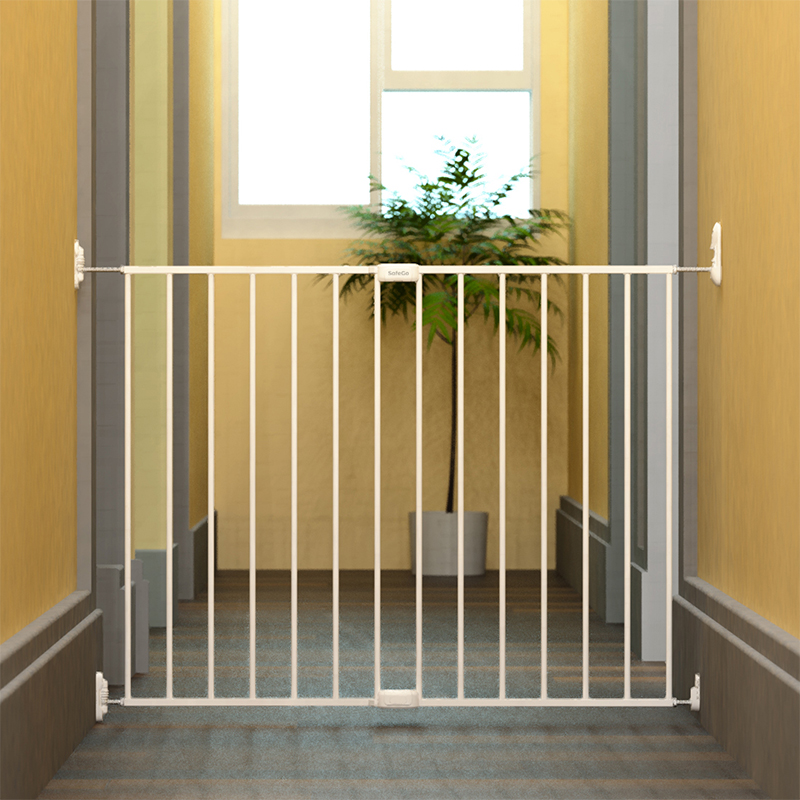
Where Does a Pressure Gate Work Well?
A pressure-mounted baby gate, no drilling, performs best when placed between two flat, rigid, and parallel surfaces. Typical good locations include:
- Doorways between rooms: A standard interior doorway with solid wood or metal door frames provides two strong vertical surfaces. The gate can be mounted at any height, though a low installation can discourage climbing.
- Hallways: A narrow hallway with walls on both sides offers excellent grip, especially if the walls are painted with drywall or smooth plaster.
- Bottom of stairs: Many families use a pressure gate at the bottom of a staircase to keep a baby from crawling up. In this position, even if the gate were to move slightly, the child would not fall from a height. Still, the gate should be checked often.
- Kitchen entrances: Keeping a toddler out of the kitchen while cooking is a common need. A pressure gate in a kitchen doorway works well because the floor is level and the risk of a serious fall is low.
In all these cases, the two mounting surfaces should be within the gate’s width range without needing excessive force to stretch the gate. A gentle, even pressure is more reliable than an over-tightened one.
Where Should You Not Use a Pressure Gate?
The list of unsuitable locations for a pressure-mounted baby gate, no drilling, is just as important. The most critical restriction is:
Top of stairs: This is a widely recognized safety rule. A pressure gate at the top of a staircase can shift outward if a child pushes or climbs. That shift could cause the gate to fall forward, and the child could tumble down the stairs. Only gates that screw into the wall or are mounted with permanent brackets should be used at stair tops.
Other locations that cause problems include:
- Curved or round banisters: Many staircases have round wooden or metal spindles. A pressure gate’s flat pads cannot grip a curved surface securely. The gate may rotate or slide down.
- Textured walls: Surfaces such as natural stone, rough brick, thick wallpaper with a pattern, or heavily textured paint do not allow the pressure pads to make full contact. The gate may hold initially, but it will likely loosen over a short period.
- Glass walls or panels: The force required to keep a pressure gate in place could crack or stress the glass. Even if the glass is tempered, the pressure pads might leave permanent marks.
- Weak drywall without backing: Some interior walls are made of thin drywall with no wooden stud behind the mounting area. The pressure from the gate can dent or even puncture such walls.
Special Cases: Banisters and Irregular Openings
Some homes have a wall on one side of a stairway and a banister on the other. In this situation, a pressure-mounted baby gate that does not require drilling cannot be attached directly to the banister. However, an accessory called a banister adapter or no-drill mounting kit can be used. These adapters provide a flat wooden or metal board that straps onto the banister, creating a surface the gate can press against. The adapter adds extra steps to installation, but makes the setup possible.
How to Measure Before Buying
Before purchasing a pressure gate, measure the width of the opening at three heights: near the floor, in the middle, and near the top. If the width varies by more than a small amount, a pressure gate may not fit evenly. Also, check that both surfaces are vertical and not sloping. A spirit level helps confirm this.
A pressure-mounted baby gate, with no drilling, is a helpful tool for level, flat openings away from stair tops. By matching the gate to the right spaces and avoiding known problem areas, families can use these gates with more confidence.
Related products



Hangzhou Yiyuan Household Products Co., Ltd.
Product Center
Contact Us
- +86-15268686909
- [email protected]
- Room 1303, Tianyue Times Building, No. 750 Fengqing Road, Gongshu District, Hangzhou, Zhejiang, China
Copyright © 2025 Hangzhou Yiyuan Household Products Co., Ltd. All Rights Reserved.

Baby Safety Pen & Pet Gate Factory