
 Inquiry

 English
 Français
 Español
- Type:
- Industry News
- Date
- 2026-Apr-03
Industry News
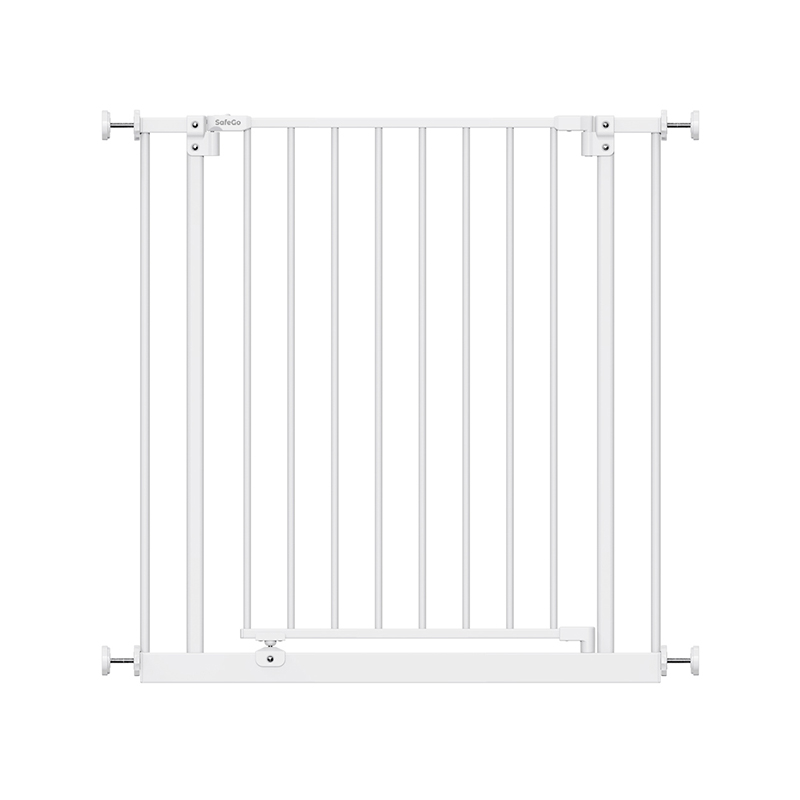
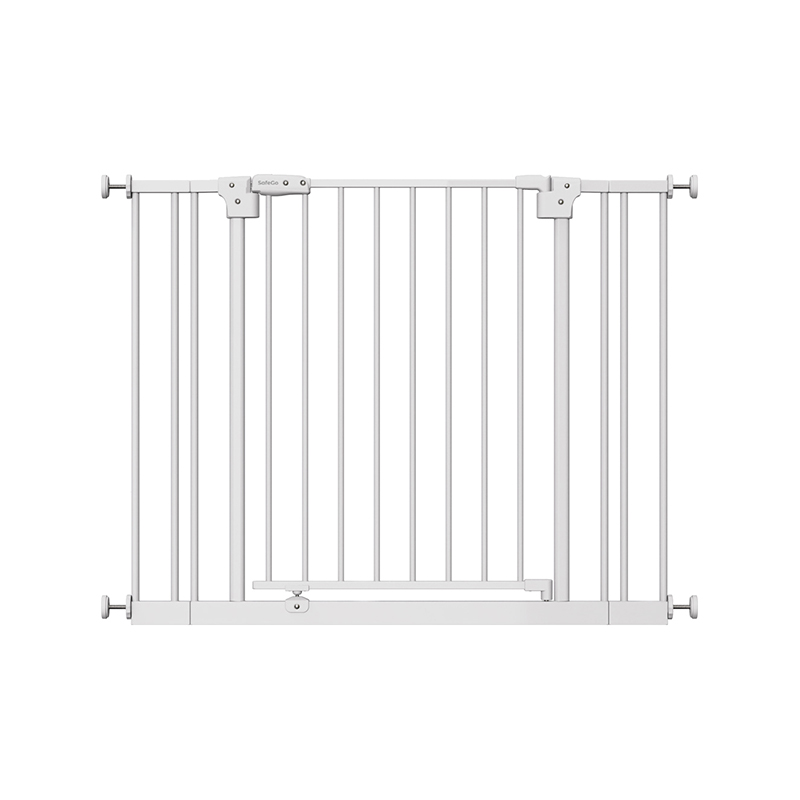
Pressure-Mounted Baby Gate: No Drilling Common Concerns
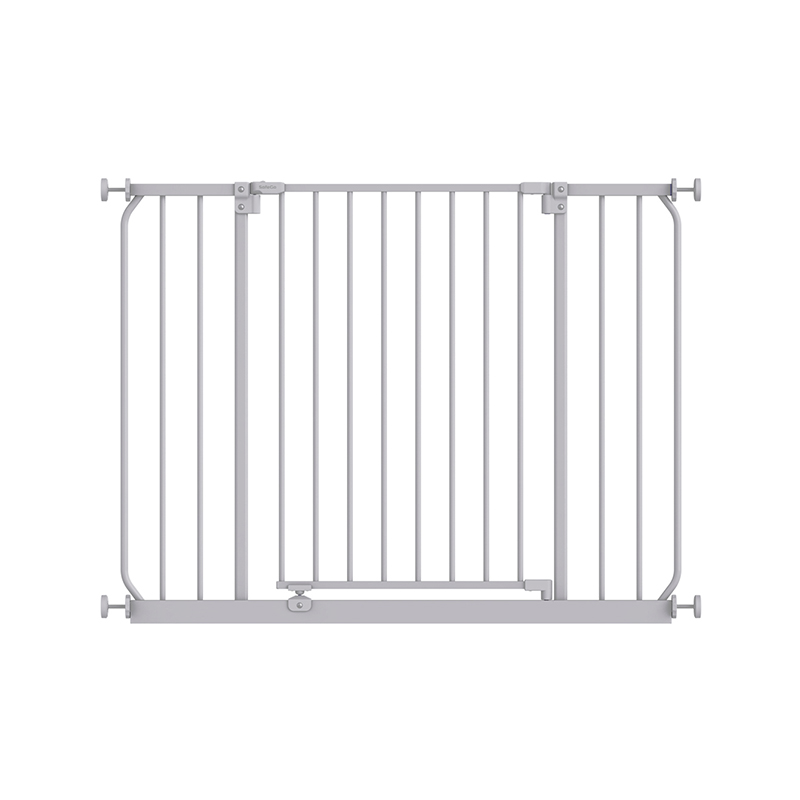
Many parents turn to a pressure-mounted baby gate, no drilling,g for its straightforward setup and the fact that it leaves walls unmarked. Yet as online discussions show, several households have experienced worries about whether such gates hold up over time, whether they damage door frames, and how often they need attention.
Is It Truly Secure Over Weeks of Use?
A recurring question among caregivers is whether a pressure-mounted baby gate, without drilling, remains firmly in place after repeated opening and closing. Unlike gates that attach with screws into wall studs, a pressure gate relies on friction from rubber or foam pads pressed against two vertical surfaces. With daily use—children pushing against the gate, swinging on it, or simply leaning as they stand up—the tension can slowly ease. Some parents report noticing a small gap between the gate frame and the wall after a few weeks. This does not mean the gate has failed, but it does suggest that periodic checks are needed.
To keep the gate secure, users can tighten the pressure knobs every couple of weeks. A practical habit is to give the gate a gentle push near the middle each time you pass through. If you feel any movement, a few turns of the adjustment mechanism usually restore the fit.
Does It Leave Marks on Walls or Door Frames?
Another frequent concern is surface damage. Because a pressure-mounted baby gate, with no drilling, holds itself in place by pushing outward, the pads can leave indentations on softer wall materials such as drywall or painted wood trim. The longer the gate remains installed, the more noticeable these marks may become. In rental properties, this can be a point of tension between tenants and landlords.
One way to reduce marking is to place thin, smooth protective sheets—often made of plastic or felt—between the pressure pads and the wall. These sheets spread the force over a slightly larger area. Another approach is to occasionally remove the gate for a day or two, allowing the wall material to recover its shape before reinstalling. However, frequent removal and reinstallation can be tiring for busy parents.
How Often Should You Check the Tension?
Some families install a pressure-mounted baby gate, no drilling,g, and then forget about it for months. That practice can lead to unexpected loosening. Changes in room temperature and humidity cause wood door frames to expand and contract. In a home with central heating, wooden frames may shrink slightly in winter, reducing the grip on the gate’s pads. Similarly, a gate placed in a hallway near an exterior door may experience more vibration from the door slamming.
A sensible routine is to inspect the gate every two weeks. Look at the points where the pads meet the wall. If you see a hairline gap or if the gate rattles when you push the handle, it is time to adjust. Many current models include a small indicator that shows green when tension is acceptable and red when it needs tightening. Even without such an indicator, a simple push test works well.
When Should You Avoid a Pressure Gate Altogether?
Not every location suits a pressure-mounted baby gate, no drilling. Safety experts and product manuals consistently advise against using these gates at the top of a staircase. The reason is that if the gate shifts while a child leans on it, the child could fall down the stairs. For the top of stairs, a gate that screws into the wall or uses a mounted hardware system is a more reliable choice. Pressure gates can be used at the bottom of stairs, where a fall would be less severe, but even then, careful installation and regular retightening are important.
Also, a pressure gate should not be installed on surfaces that are weak, such as hollow-core doors, or on surfaces with heavy texture like stone veneer or thick wallpaper. The pads need a flat, solid area to grip effectively.
A pressure-mounted baby gate, no drilling, offers a practical solution for many room-to-room barriers, such as between a living room and a kitchen or across a wide hallway. The key is to recognize its limits. Regular checks, protective pads, and proper placement go a long way toward making the gate a useful part of a childproofed home. For stair tops and unusually shaped openings, other gate types are worth considering.
Related products



Hangzhou Yiyuan Household Products Co., Ltd.
Product Center
Contact Us
- +86-15268686909
- [email protected]
- Room 1303, Tianyue Times Building, No. 750 Fengqing Road, Gongshu District, Hangzhou, Zhejiang, China
Copyright © 2025 Hangzhou Yiyuan Household Products Co., Ltd. All Rights Reserved.

Baby Safety Pen & Pet Gate Factory