 Inquiry

 English
 Français
 Español
- Type:
- Industry News
- Date
- 2026-Apr-24
Industry News
Home / News / Industry News / Perfect for Flat Walls Only: Pressure-Mounted Baby Gate, No Drilling, Loses Grip on Textured Surfaces
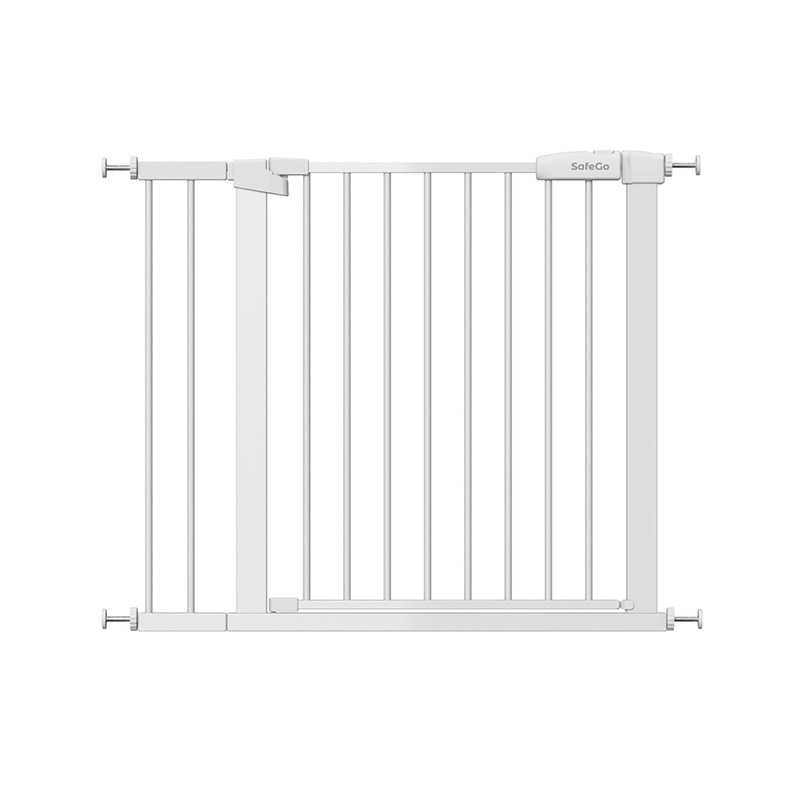
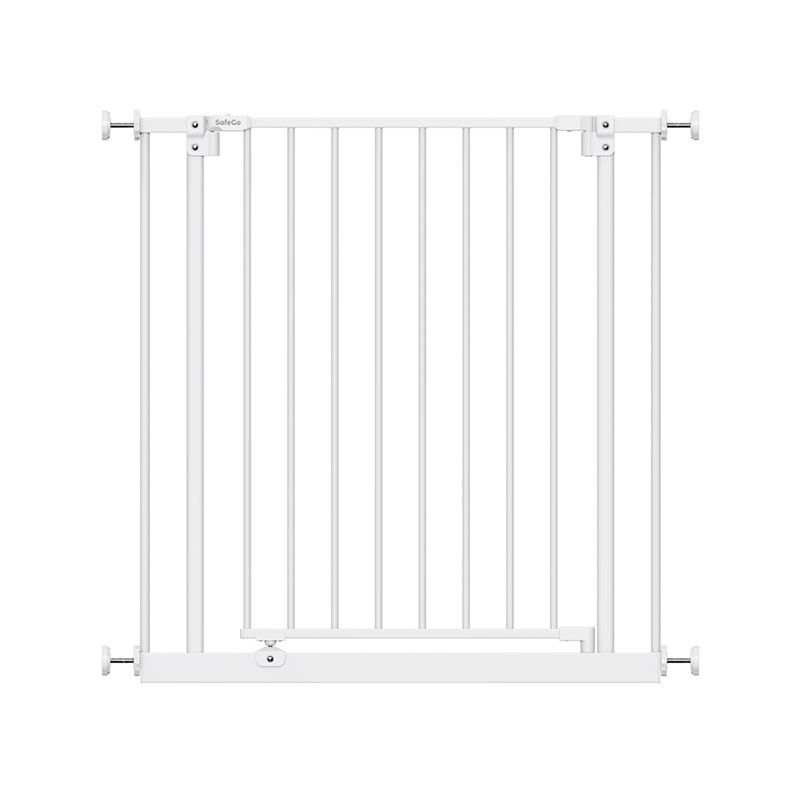
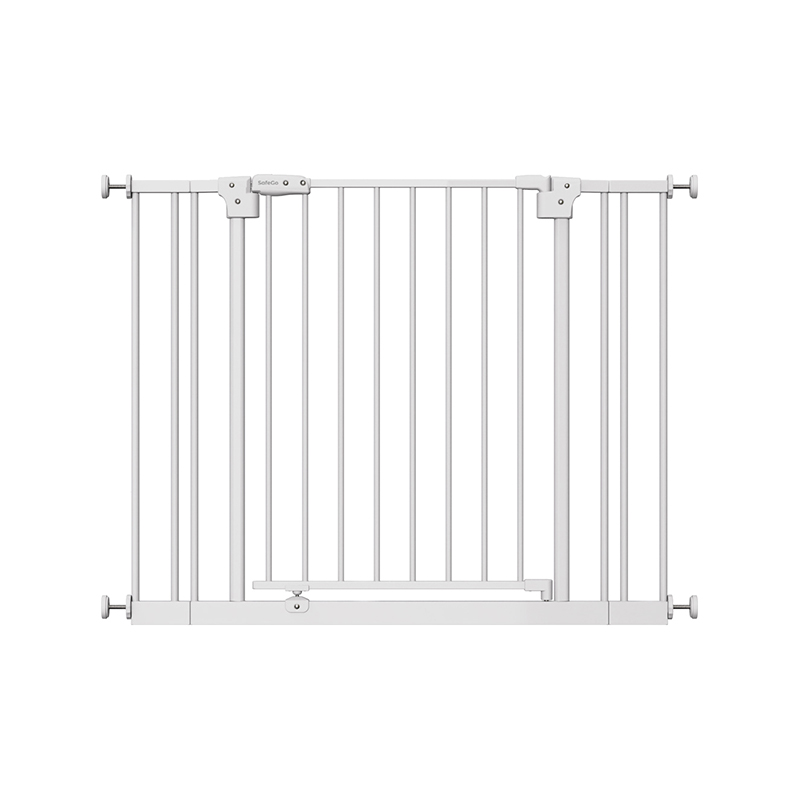
A pressure-mounted baby gate no drilling, relies on friction between its rubber pads and the mounting surfaces. When those surfaces are smooth and flat, the friction is reliable. When the surfaces have texture—such as raised patterns, rough paint, or uneven stone—the gate’s ability to stay in place drops notably. This article looks at which textures cause problems and what alternatives exist.
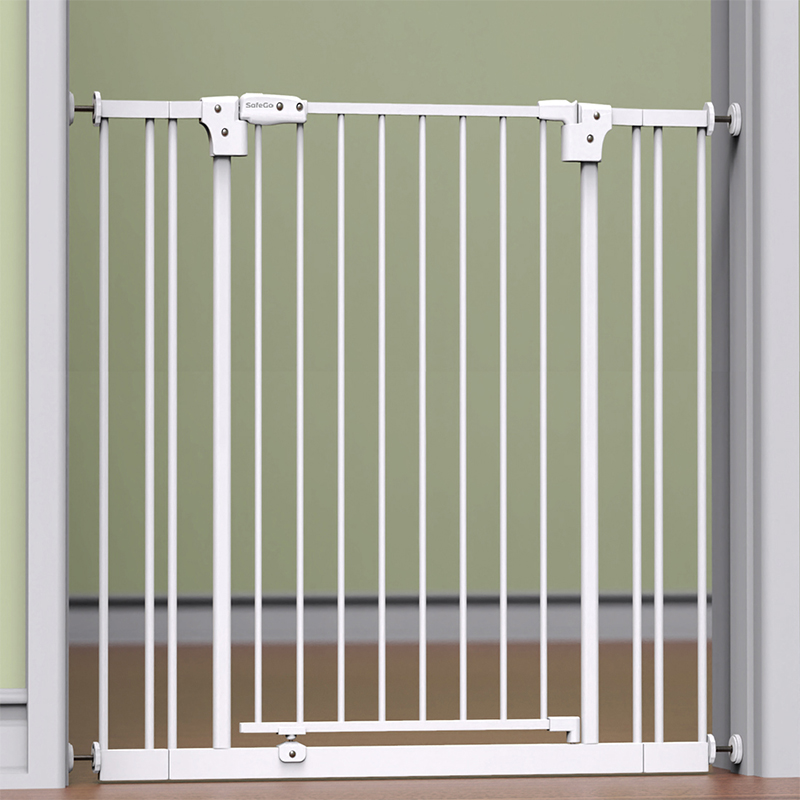
Not all wall finishes are equal in the eyes of a pressure gate. The following surface types are known to cause grip issues:
Raised or embossed wallpaper: Wallpapers with floral patterns, linen textures, or geometric ridges create air gaps behind the pressure pad. Only the high points of the wallpaper touch the rubber, leaving less contact area.
Rough plaster or stucco: Older homes may have hand-troweled plaster with a bumpy surface. The rubber pad cannot conform to every bump, so the gate holds less firmly.
Wood paneling with grooves: Some wall paneling has shallow vertical grooves every few inches. The pad may bridge across grooves, losing contact in those gaps.
Ceramic or stone tile: Tile surfaces are hard but often have grout lines and slight variations in height. A gate pressed against tile may tilt if one pad lands on a grout line.
Painted brick: Interior brick walls have a rough, irregular face. A pressure pad will touch only the highest bricks, leading to uneven pressure.
The physics are straightforward. A pressure-mounted baby gate, no drilling, holds because the rubber pads are compressed against the wall, creating static friction. On a smooth wall, the entire pad area contributes to friction. On a textured wall, only a portion of the pad makes contact. The actual contact area may be half or less of the pad’s full surface. With less contact area, the gate is more likely to slide when pushed from the side or when a child leans on the gate’s upper bar.
Additionally, textured surfaces can damage the rubber pads over time. Rough edges may cut or wear down the rubber, further reducing grip.
Many online discussions include stories from parents who installed a pressure gate on a textured wall only to find it loose within days. One parent described placing a gate between the living room and the dining room, where the doorway had rough plaster. After one week, the gate could be pushed aside with little effort. Another parent tried to mount a gate against a wall with a heavy linen-textured wallpaper; the gate left indentations in the wallpaper pattern and still did not hold securely.
In contrast, the same gates worked without issue when moved to a smooth, painted drywall opening.
If a textured wall is the only option for placing a pressure-mounted baby gate, without drilling, a few adaptations can help.
Add a smooth adapter board: Cut a piece of smooth plywood or acrylic sheet slightly larger than the pressure pad. Attach this board to the wall using removable adhesive strips designed for temporary mounting. Then press the gate against the board. The board provides a flat surface, and the adhesive strips hold the board in place without drilling. However, the strips must be strong enough to resist the gate’s pressure.
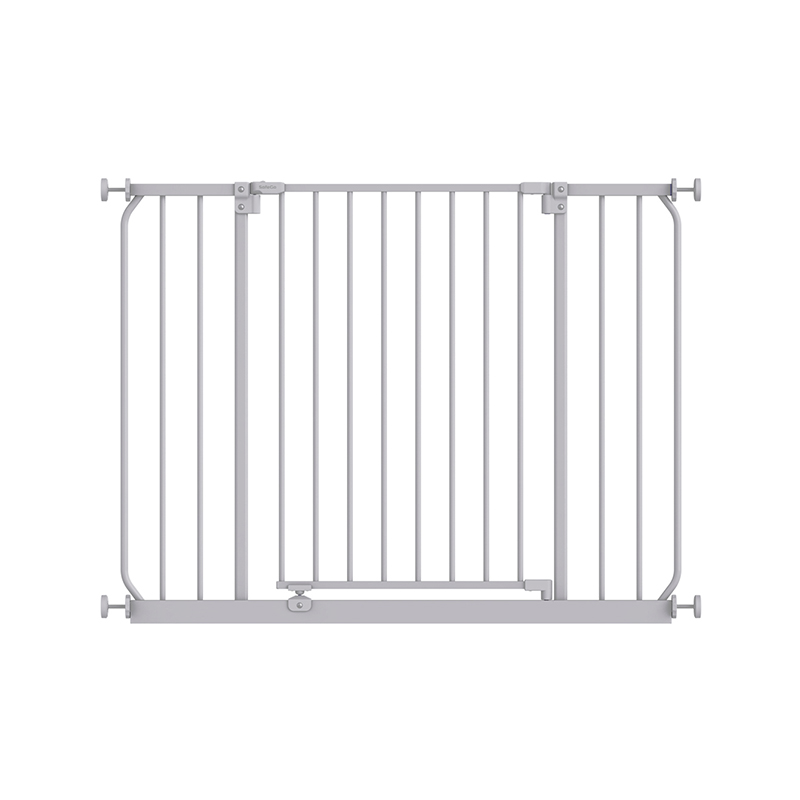
Use a different gate type: A tension gate that expands like a shower rod (with rubber ends that press into the opening) may work better on textured surfaces because the ends are usually thicker and more conforming. Alternatively, a gate that uses a stand-alone frame with feet on the floor can be considered.
Smooth the texture locally: For a painted surface, light sanding of a small area can reduce roughness. This is not an option for wallpaper or stone, and it may affect the wall’s appearance.
If, after trying the adapters, the gate still shifts, it is wiser to accept that a pressure-mounted baby gate with no drilling is not right for that location. Forcing the gate to work could lead to a fall. Hardware-mounted gates, though requiring drilling and repair later, provide a secure hold on nearly any wall type.
A pressure-mounted baby gate, with no drilling, performs as intended on flat, smooth, solid surfaces. Textured walls are a genuine limitation. Recognizing this limit early saves time, frustration, and potential safety issues.




Baby Safety Pen & Pet Gate Factory