 Inquiry

 English
 Français
 Español
- Type:
- Industry News
- Date
- 2026-May-01
Industry News
Home / News / Industry News / Install Low: Pressure Mounted Baby Gate No Drilling Stops Baby Climbers
When a baby learns to climb, standard baby gates can become a challenge rather than a barrier. Some caregivers have tried mounting a pressure-mounted baby gate, no drilling, at a lower height than usual, hoping to remove the foothold that curious toddlers use to scale the gate. This article explores whether a low installation works, how to do it safely, and what other measures can help with climbing behavior.
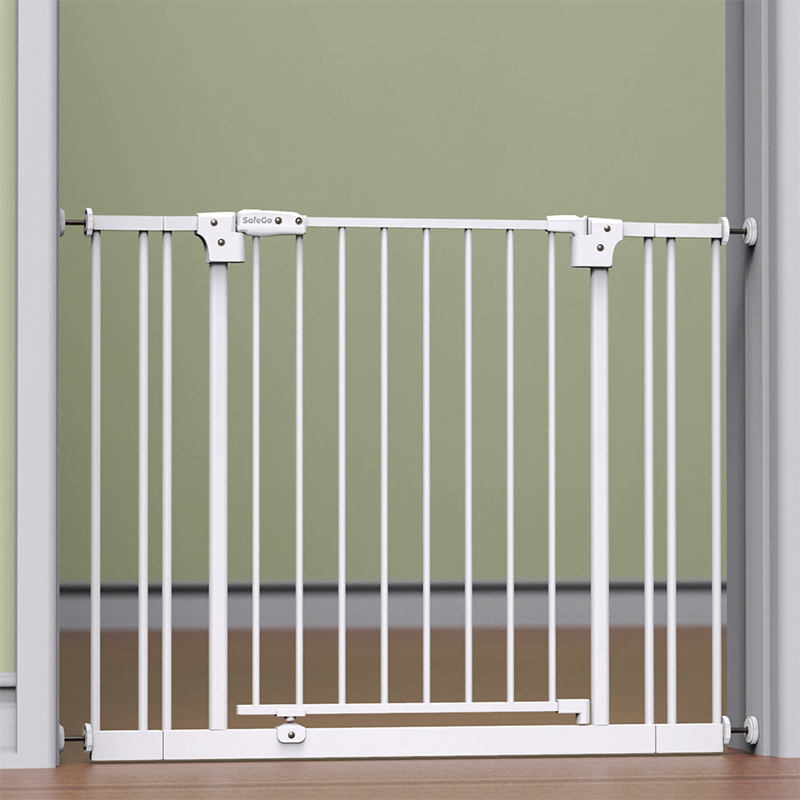
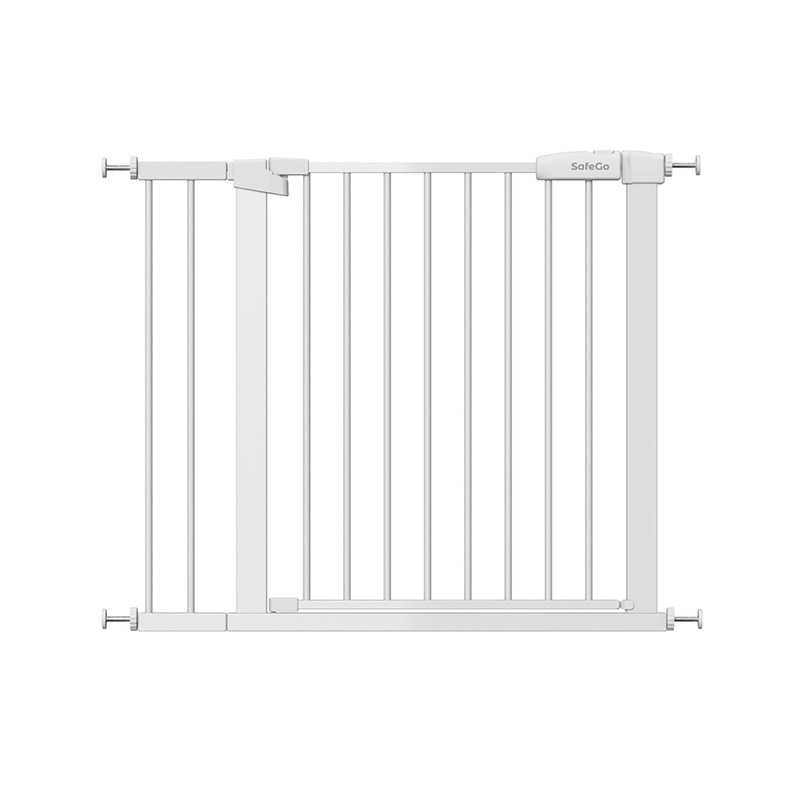
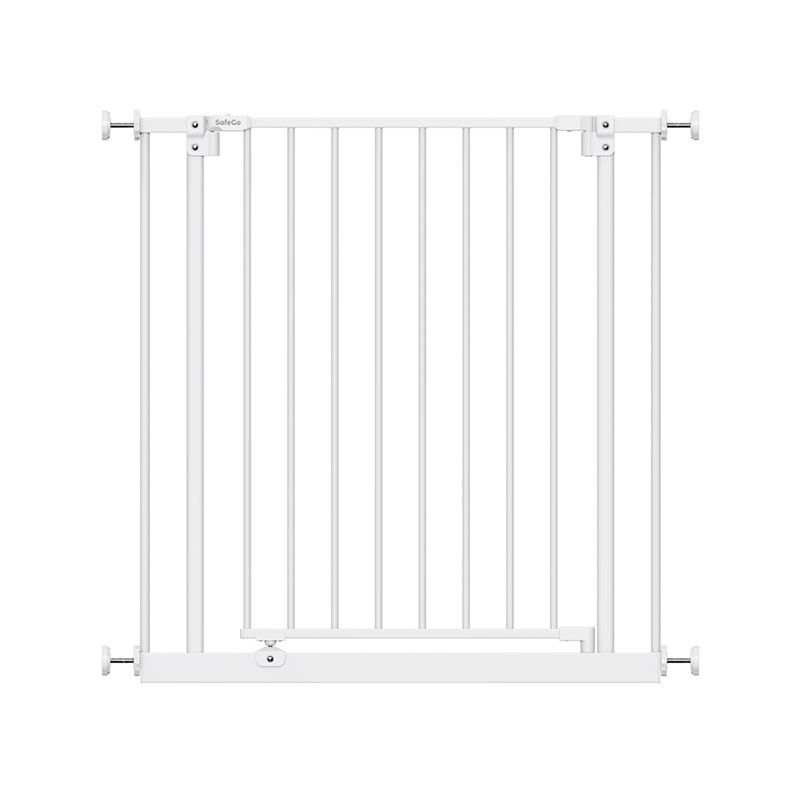
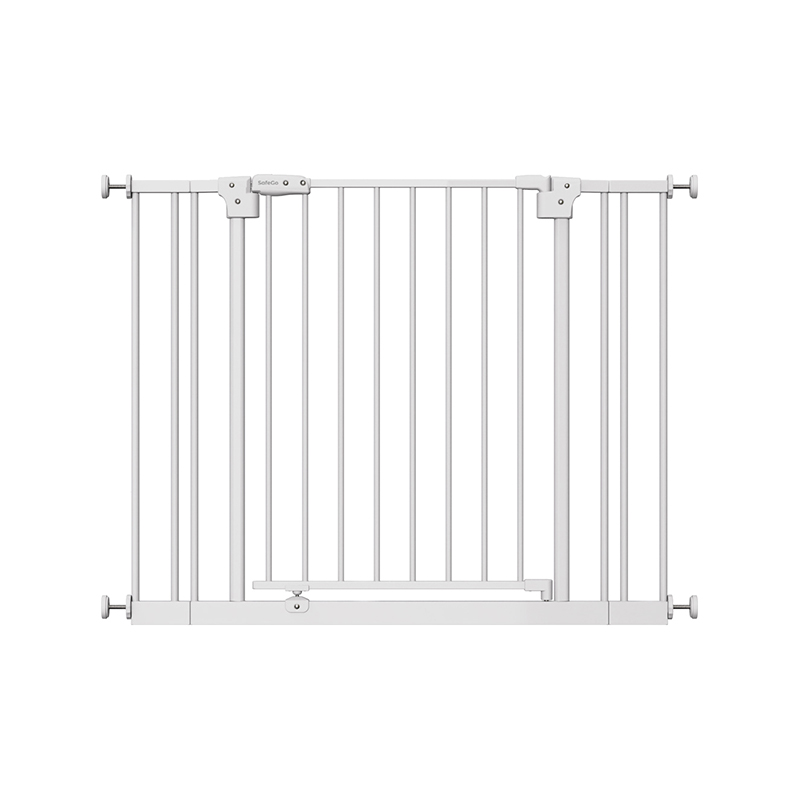
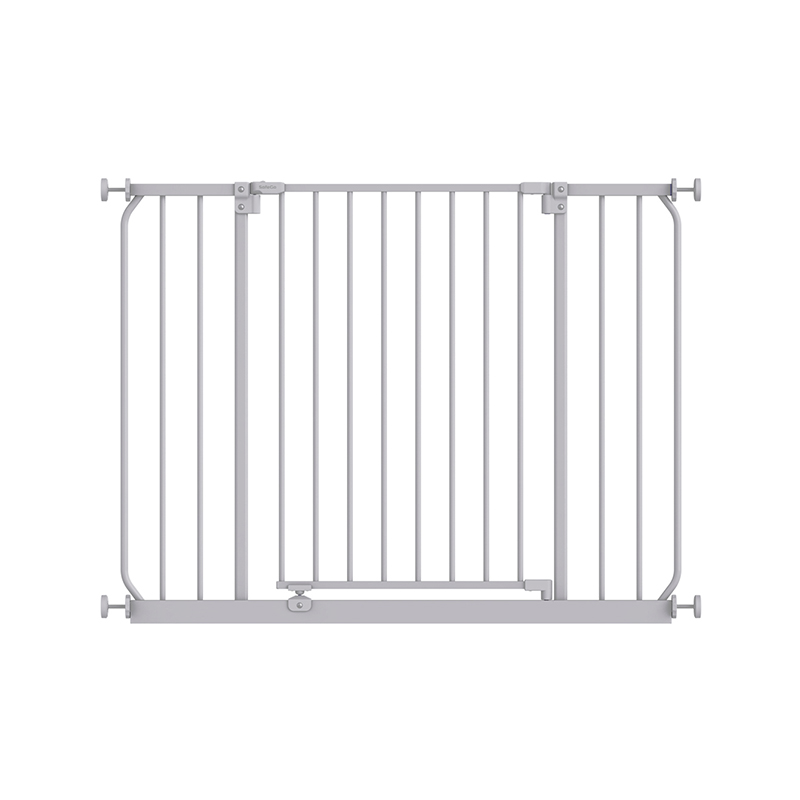
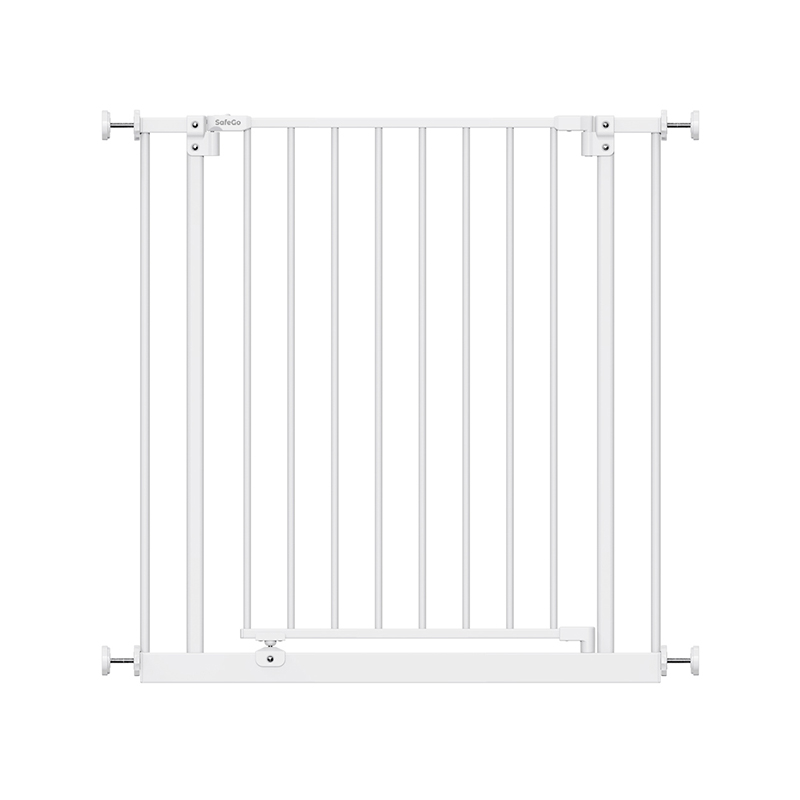
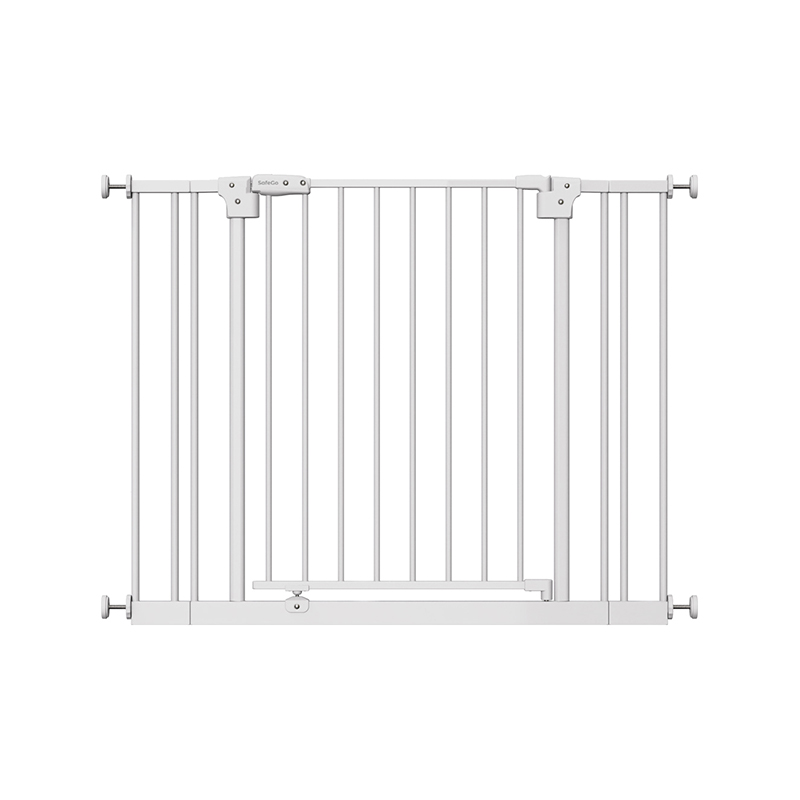
A typical pressure-mounted baby gate, no drilling, has a bottom bar or lower frame that sits a short distance above the floor. A determined toddler can place a foot on that bar and push upward. By installing the gate so that the bottom frame sits very close to the floor, the child has less space to insert a toe or a shoe. With no clear ledge to push against, climbing becomes more difficult.
Additionally, a low gate may make it harder for a child to get a grip on the middle of the gate because their shoulders are higher relative to the top bar. However, the gate’s height does not change—only its vertical position changes.
Not every pressure-mounted baby gate, which does not require drilling, allows for adjustable mounting height. The user manual usually specifies a range of acceptable heights. To install low:
Measure the gate’s frame height. Know how tall the gate is from the bottom edge to the top edge.
Decide the target gap below the gate. A gap of about a finger’s width is reasonable. The gate should not actually touch the floor, because carpet or dust could interfere.
Position the gate so the bottom edge is lower than usual. This means the pressure pads will contact the wall at a lower point. Ensure that the lower contact point is still on a flat, solid part of the wall, not on baseboard trim that is rounded or thin.
Tighten as usual. Check that the gate remains level. A low gate that is tilted can be easier to climb.
Lowering a pressure-mounted baby gate, without drilling, introduces a few new considerations.
Trip hazard for adults: An unusually low gate may not be noticed by adults walking through at night. The bottom edge could catch a foot. Placing reflective tape on the bottom bar or using a gate with a visible color can help.
Baseboard interference: Many rooms have baseboards that are thicker than the wall surface. If the gate’s pressure pads land on the baseboard instead of the flat wall, the gate may not hold. The pads need a vertical surface that is flush. In some cases, a spacer block can be added behind the pad to clear the baseboard.
Carpet compression: If the gate is very low and the floor has thick carpet, the carpet may push up against the gate’s bottom edge. This can put upward pressure on the gate and cause it to tilt over time.
The honest answer is that it reduces the chance but does not eliminate it. A child who is an active climber may simply grab the top bar of the gate and pull themselves over, especially if the gate is not very tall. The low position does not change the gate’s height. Some toddlers can climb a gate of any height if they have enough upper body strength.
For children who have already shown climbing ability on furniture or playground equipment, a pressure-mounted baby gate with no drilling may not be sufficient, regardless of installation height. In those cases, a taller gate with a vertical bar design (no horizontal rungs) is a better choice. Some gates are made with a solid plastic panel that offers no footholds.
Instead of relying only on a low gate, consider these approaches:
A pressure-mounted baby gate, no drilling required, can be one part of a climbing-prevention plan. It works best for babies who are just starting to pull up to standing, not for agile toddlers. As with any gate, adult supervision remains the primary safety measure. If a child consistently tries to climb over, switching to a different gate type is the safer path.




Baby Safety Pen & Pet Gate Factory