
 Inquiry

 English
 Français
 Español
- Type:
- Industry News
- Date
- 2025-Oct-14
Industry News
What is the Origin and Development of Infant High Chairs?
What is the Origin and Development of Infant High Chairs?
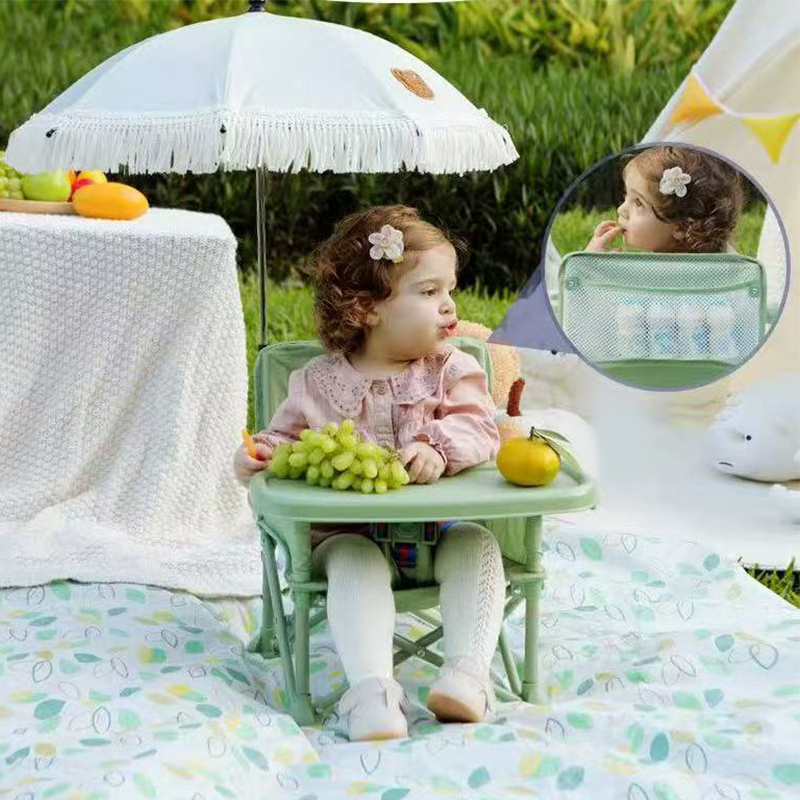
One of the significant milestones in a parent's life is introducing their baby to solid food. This is where the infant feeding adjustable height high chair seat comes in, a piece of furniture designed to make mealtime safe, comfortable, and enjoyable for both the baby and the caregiver. But where did this essential baby accessory come from, and how has it evolved over time?
The high chair, as we know it today, is a relatively modern invention. However, the concept of elevating a child to a comfortable eating height dates back centuries. The evolution of the high chair reflects the changing needs of parents, advancements in materials and manufacturing, and an understanding of child development.
Early Beginnings
The earliest forms of high chairs were simple wooden stools or benches with a hole in the center, allowing the child to sit with their legs through the hole, providing some support. These rudimentary designs were not adjustable and offered little in terms of comfort or safety.
The Industrial Revolution and Innovation
With the advent of the Industrial Revolution, manufacturing processes improved, and new materials became available. This led to the development of more sophisticated high chairs with features such as adjustable heights and safety harnesses. The patent for a high chair was granted in the United States in 1889. This design included a tray that could be folded down, making it easier for parents to clean up after meals.
Post-War Era and Plastics
The post-World War II era saw a boom in plastics, which became the material of choice for many baby products, including high chairs. Plastic was lightweight, durable, and easy to clean. High chairs made from plastic became popular for their affordability and practicality. However, concerns about the safety of plastics, particularly in relation to heating foods, led to further developments in high chair materials and designs.
The Modern High Chair
Today's infant feeding adjustable height high chair seats are a far cry from the simple stools of the past. They are designed with the comfort and safety of the child in mind, often featuring adjustable heights to accommodate growing children, trays that are easy to clean, and safety harnesses to keep the child secure. Materials have evolved to include not only plastics but also metals and woods, with a focus on sustainability and eco-friendliness.
Ergonomics and Design
As our understanding of child development has grown, so too has the design of high chairs. Ergonomics play a significant role in modern high chair design, with seats shaped to support the natural posture of young children. This helps promote healthy eating habits and posture as the child grows.
Safety Features
Safety has always been a paramount concern in high chair design. Modern high chairs often include features such as wide bases for stability, secure five-point harnesses, and locking mechanisms to prevent the chair from folding accidentally. These features are backed by rigorous safety testing and standards to ensure that parents can trust the safety of the high chair they choose for their child.
Adjustability and Versatility
One of the significant advancements in high chair design is the ability to adjust the height and recline of the seat. This feature allows the high chair to grow with the child, providing a comfortable and appropriate seating position as they develop. Additionally, many high chairs now convert from an infant seat to a toddler chair, extending their usability and value.
Environmental Considerations
With growing environmental awareness, the materials and manufacturing processes used in high chairs have come under scrutiny. Many companies are now focusing on creating high chairs from sustainable materials and using processes that minimize waste and environmental impact. This shift towards sustainability is likely to continue as consumers demand more eco-friendly products.
Related products



Hangzhou Yiyuan Household Products Co., Ltd.
Product Center
Contact Us
- +86-15268686909
- [email protected]
- Room 1303, Tianyue Times Building, No. 750 Fengqing Road, Gongshu District, Hangzhou, Zhejiang, China
Copyright © 2025 Hangzhou Yiyuan Household Products Co., Ltd. All Rights Reserved.

Baby Safety Pen & Pet Gate Factory