
 Inquiry

 English
 Français
 Español
- Type:
- Industry News
- Date
- 2025-Oct-14
Industry News
What Are the Safety Standards for Baby Travel Booster Chairs?
1. What Are the Safety Standards for the Baby Travel Booster High Chair?
Safety is the important consideration in the design and use of baby travel booster high chairs. These portable chairs must meet certain guidelines and standards to ensure that infants and toddlers can sit safely during mealtimes at home or while traveling.
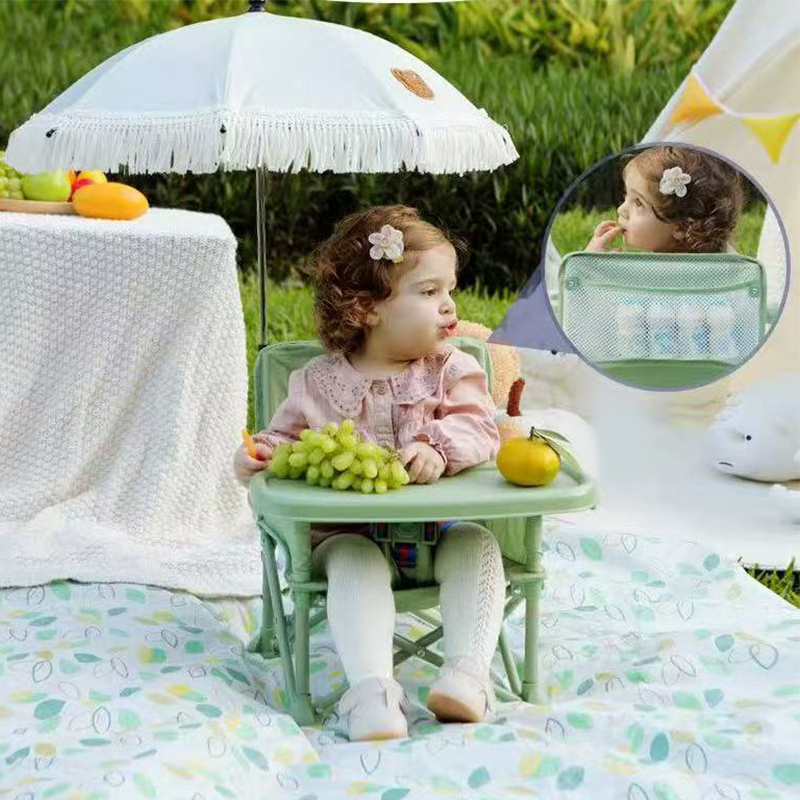
a. Structural Stability:
Booster high chairs must be built to support a child’s weight without tipping over. Many countries follow standards such as ASTM F2640 (U.S.) or EN 16120 (Europe), which test the product’s ability to stay upright when a child moves or leans. The chair’s base should be wide enough to provide good balance, especially when attached to a dining chair.
b. Secure Restraint Systems:
All booster high chairs should include a three- or five-point harness system to hold the child safely in place. These straps prevent slipping or standing while seated. The buckle should be easy for adults to operate but difficult for children to release on their own.
c. Non-Toxic Materials:
Since babies often touch or chew parts of the chair, materials must be free from harmful chemicals like BPA, phthalates, or lead. Smooth, rounded edges are also essential to prevent scratches or pinching.
d. Easy Cleaning and Maintenance:
Hygiene is a safety issue too. Food spills can bacteria buildup, so removable and washable covers or trays are highly recommended.
e. Portable and Reliable Design:
For travel, booster high chairs should fold compactly and lock securely in position when in use. Straps or clamps that attach to regular chairs must also hold firmly without damaging furniture.
2. What Makes a Travel Booster Seat for Eating Reliable and Convenient?
A travel booster seat for eating serves as a lightweight, portable seating solution for babies and toddlers. It allows children to join family meals at restaurants, hotels, or outdoor gatherings while maintaining proper posture and comfort.
a. Compact and Lightweight Construction:
Many travel booster seats are made with collapsible frames or soft, foldable designs that fit easily into travel bags. Despite their portability, they are made to be sturdy and stable, ensuring the child remains secure during mealtime.
b. Adjustable Height and Fit:
A good booster seat should fit various dining chair sizes. Adjustable straps or clips help attach it firmly to the seat and backrest, preventing slipping or wobbling. Some models also allow seat height adjustments so the child can comfortably reach the table.
c. Safe Restraint System:
Similar to high chairs, travel booster seats use secure harness systems to keep children in place. A three-point harness is common, but some offer five-point systems for added safety. This ensures that the child cannot climb or fall during feeding.
d. Easy Cleaning:
Travel often means exposure to dust, spills, and food crumbs. Therefore, materials should be water-resistant or have removable, washable covers. Plastic trays that can be detached and cleaned quickly make a big difference when dining away from home.
e. Comfort and Design:
Soft padding, rounded edges, and breathable fabrics make the seat more comfortable for longer use. Some models even double as storage bags when folded, adding extra convenience.
Travel booster seat for eating allows parents to maintain consistent feeding habits while away from home. It promotes family interaction and keeps children safe and supported during meals. Choosing a seat that meets safety requirements, offers stability, and is easy to clean ensures both peace of mind and a smoother travel experience.
Related products



Hangzhou Yiyuan Household Products Co., Ltd.
Product Center
Contact Us
- +86-15268686909
- [email protected]
- Room 1303, Tianyue Times Building, No. 750 Fengqing Road, Gongshu District, Hangzhou, Zhejiang, China
Copyright © 2025 Hangzhou Yiyuan Household Products Co., Ltd. All Rights Reserved.

Baby Safety Pen & Pet Gate Factory