 Inquiry

 English
 Français
 Español
- Type:
- Industry News
- Date
- 2025-Dec-19
Industry News
Home / News / Industry News / Baby Safety Gate for Stairs Comparison Guide: Mounting Types, Dimensions, and Daily Convenience
Choosing a baby safety gate for stairs involves navigating a range of options, each with distinct characteristics. A helpful way to approach the selection is to compare products across three key dimensions: how they are secured, how they fit the space, and how they function in everyday use. Understanding these differences allows for a choice that aligns with a specific staircase and family routine.
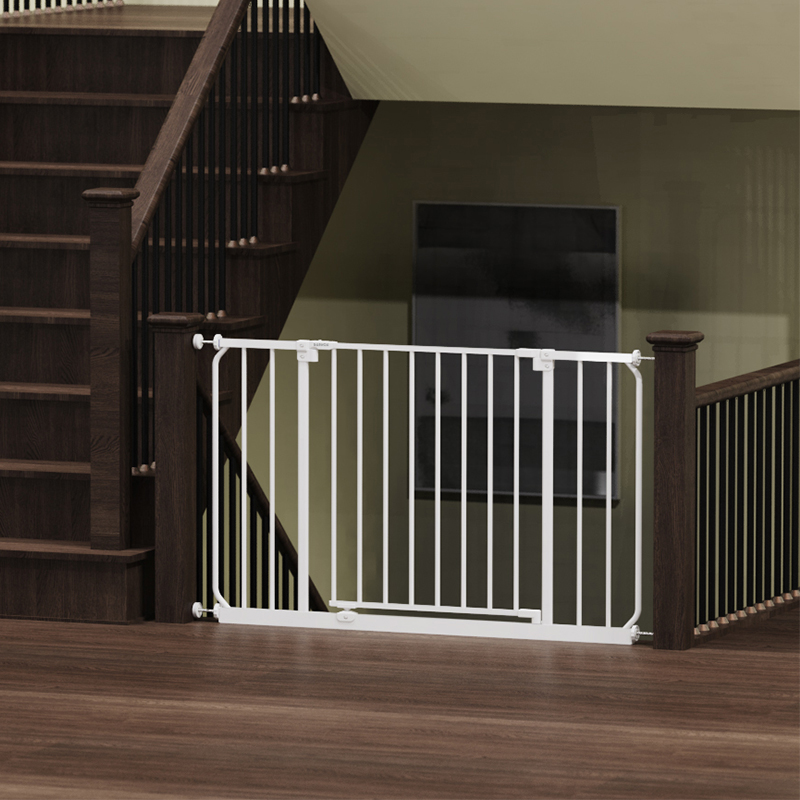
The method of attachment is the most significant safety differentiator, especially for staircases.
Hardware-Mounted Gates: These gates are fastened permanently to the wall or door frame using screws and mounting brackets. This creates a fixed, sturdy barrier that cannot be dislodged by pushing or shaking. For the top of a staircase, this is the generally recommended and often essential type of mounting. It requires tools for installation and leaves small screw holes when removed.
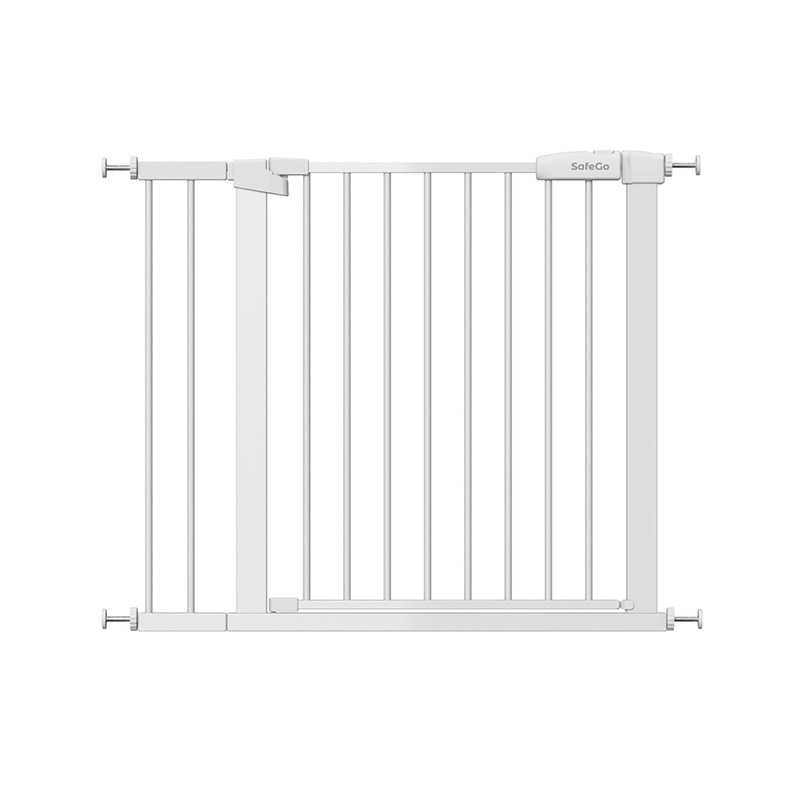
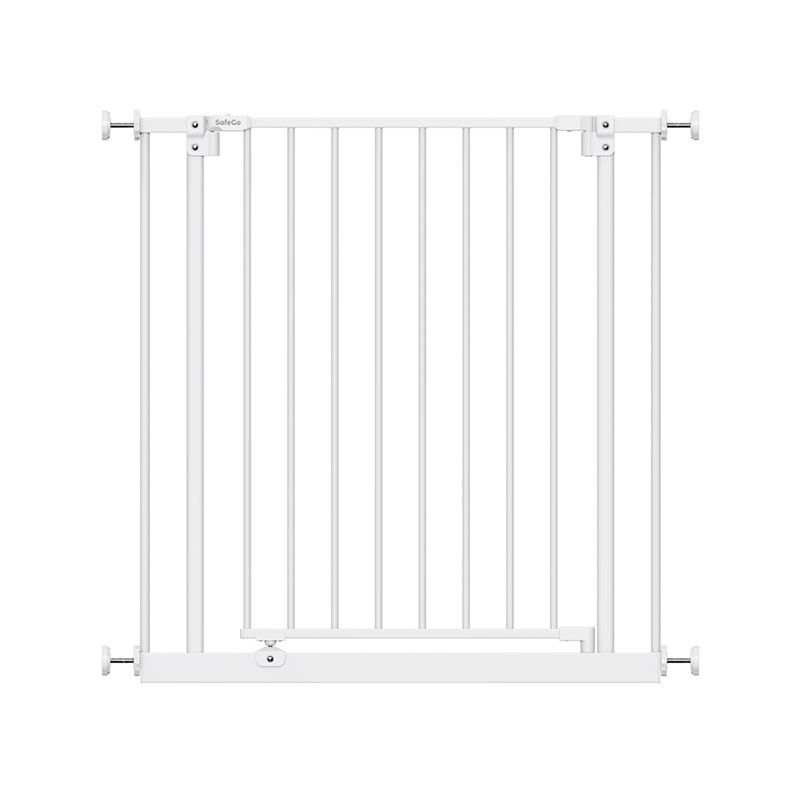
Pressure-Mounted Gates: These gates are held in place by tension rods that extend to press against opposing walls. They install without tools and do not damage walls. Their stability depends entirely on constant, even pressure. For this reason, they are not considered secure enough for use at the top of stairs, where a failure could be serious. They may be used in some doorway or bottom-of-stair applications if the walls are suitable.
A gate must span the opening it is intended to block. Stairway widths are not uniform, making adjustability an important feature.
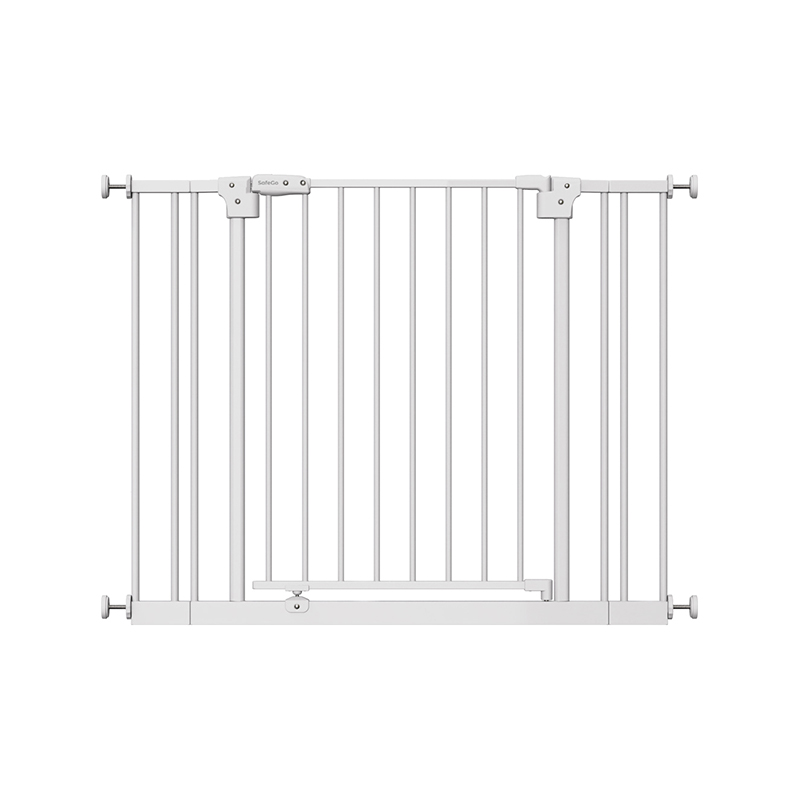
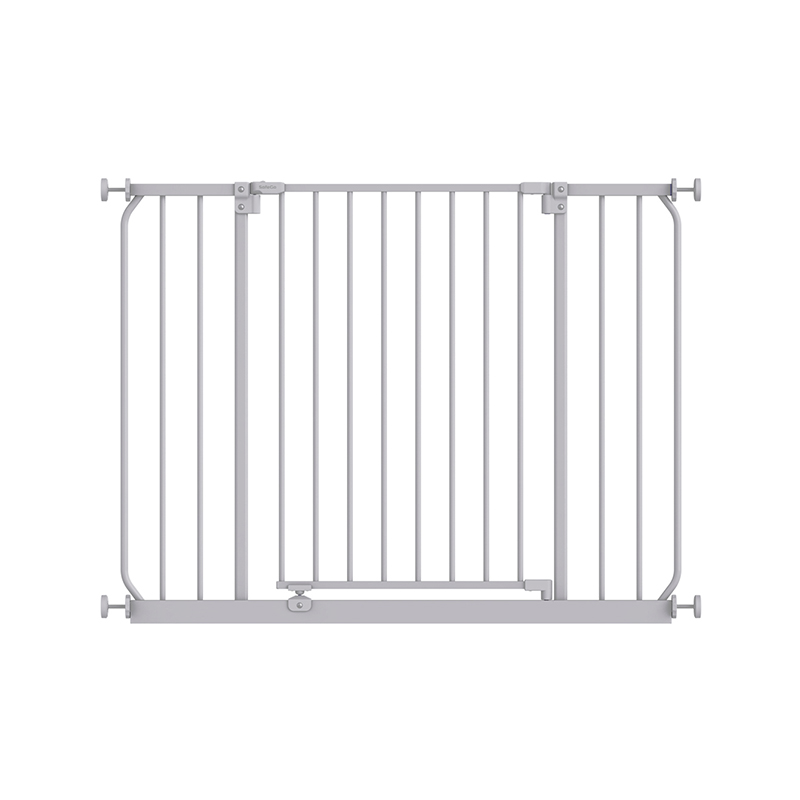
Width Range: Gates are designed to expand and contract within a stated range (e.g., 29 to 42 inches). It is necessary to measure the stair opening accurately and choose a gate whose range encompasses that measurement. For very wide openings, some models offer expansion kits or can be joined together.
Height: The height of the gate is a factor in deterring climbing. Taller gates present a more difficult obstacle for an adventurous child. Checking the panel height, apart from any arch or decorative top, provides a sense of this barrier.
How a gate interacts with daily life affects its utility and whether it will be used consistently.
Opening Mechanisms: The action required to open the gate is a key convenience factor. Some gates feature a one-handed operation, often with a foot pedal or a simple thumb latch, which is helpful when carrying a child. Others may require two hands or a more complex maneuver for added security against young children.
Swing Direction vs. Alternative Designs: Traditional swing gates open like a door, which requires clearance space on one side. Determining the swing direction (away from the stairs is often advised) and having the necessary floor space are important. Walk-through models have a central section that opens without side clearance. Retractable gates, made of mesh that pulls across, offer a different profile and do not swing, but their mechanism and strength should be evaluated carefully for high-risk areas.
Additional Functions: Some gates include features like an automatic close, which ensures the gate latches shut after being passed through. Others have a pass-through door for pets or a removable section for easier adult passage.
Selecting a baby safety gate for stairs is a matter of matching product attributes to needs. By comparing how gates are mounted, confirming their dimensional fit for the intended location, and evaluating which convenience features will support consistent use, parents can find a solution that offers both reliable protection and practical integration into their home.




Baby Safety Pen & Pet Gate Factory