
 Inquiry

 English
 Français
 Español
- Type:
- Industry News
- Date
- 2025-Oct-14
Industry News
Why Choose a Walk-Through Decorative Pet Gate for Homes?
Managing pets in a home environment requires thoughtful planning, especially when it comes to maintaining safety and boundaries. Among the various pet containment solutions, walk-through decorative pet gates have gained popularity. These gates combine functionality with aesthetics, allowing pet owners to restrict access while maintaining a welcoming interior.
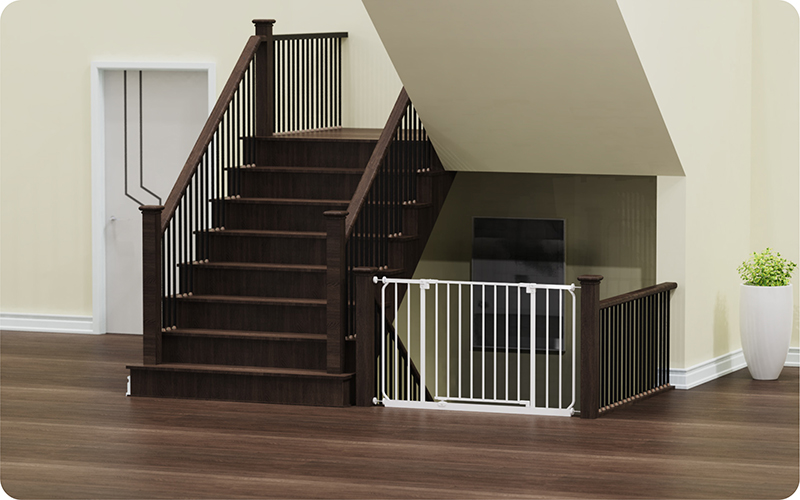
Walk-Through Decorative Pet Gate
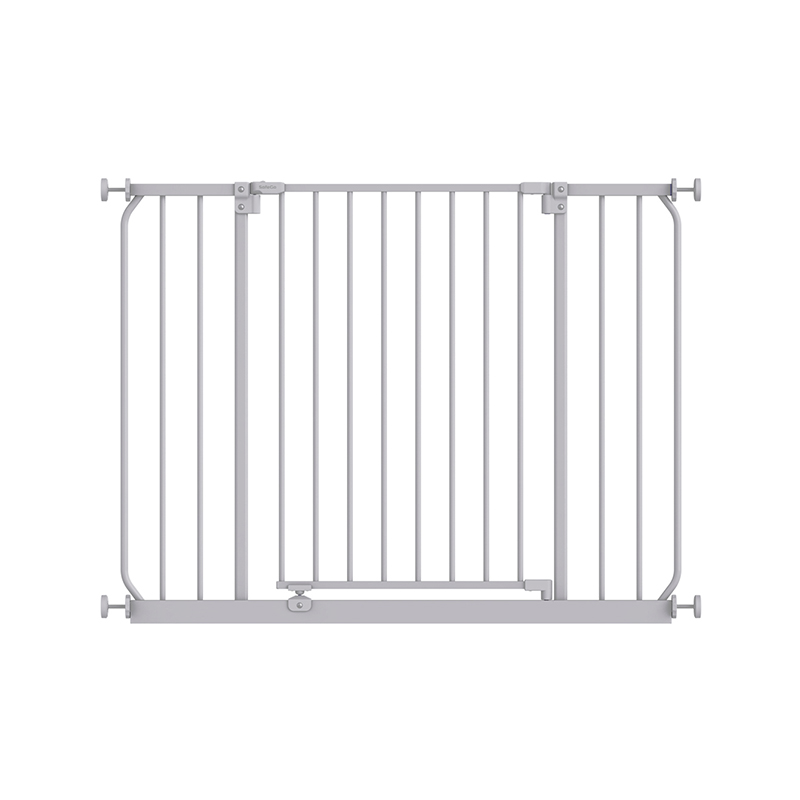
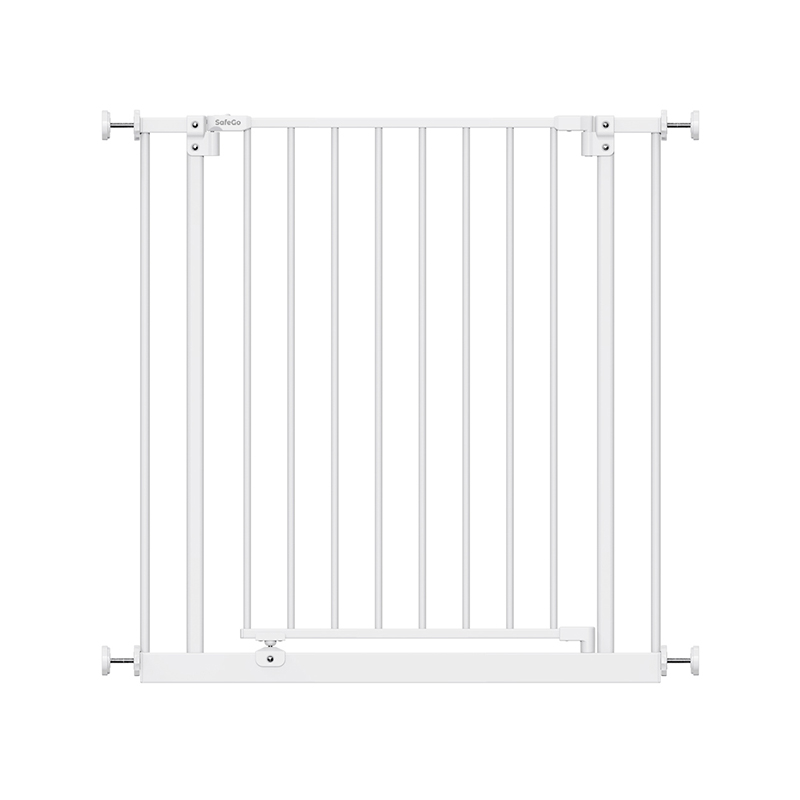
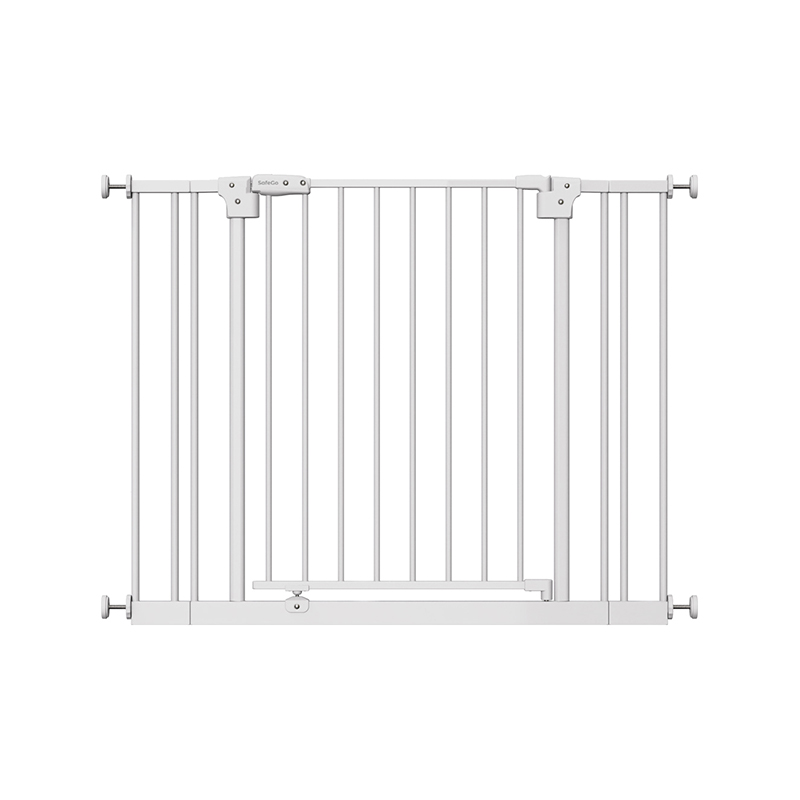
A walk-through decorative pet gate is designed not only to prevent pets from accessing certain areas but also to complement home decor. Unlike standard metal or plastic gates, decorative gates often feature stylish finishes, intricate patterns, or sleek wood designs that blend seamlessly into living spaces. Many models incorporate a functional walk-through door for humans, eliminating the need to step over or dismantle the gate repeatedly.
Features of Walk-Through Decorative Pet Gates
- Walk-Through Door: Provides easy access for humans without compromising pet containment. Some gates have one-hand operation and dual-lock mechanisms for added security.
- Aesthetic Design: Materials like hardwood, wrought iron, or powder-coated steel allow the gate to integrate with home interiors. Decorative elements such as patterns, curves, or paneling enhance visual appeal.
- Height and Safety: Typically taller than 30 inches, these gates prevent most cats and small-to-medium dogs from jumping over. Vertical bars or panel designs discourage climbing.
- Adjustable Width: Many gates include extension panels or foldable designs, accommodating different doorway sizes and widths.
Advantages:
- Safety and Security: Keeps pets away from stairs, kitchens, or delicate areas, reducing the risk of injury or accidents.
- Convenience: The walk-through feature allows parents or pet owners to pass easily, carrying items or moving between rooms without obstruction.
- Durability: High-quality materials ensure long-lasting performance even in homes with active pets.
- Style: Unlike utilitarian gates, decorative gates contribute positively to the interior aesthetic, providing a cohesive and polished look.
Practical Uses:
Walk-through decorative gates are ideal for living rooms, kitchens, and hallways where pets should be restricted but adults need regular access. They are especially useful in households where style matters as much as functionality, offering a solution that balances safety with interior design.
Indoor Pet Barrier Fence
An indoor pet barrier fence is a versatile tool for pet containment and household management. Unlike fixed gates, barrier fences can create flexible boundaries, section off rooms, or even form temporary enclosures for pets. These fences are especially beneficial for owners of multiple pets or households with children and pets sharing the same space.
Features of Indoor Pet Barrier Fences:
- Modular Panels: Barrier fences often come with multiple panels that can be arranged in various configurations to fit rooms of different shapes and sizes.
- Material Options: Common materials include mesh, metal, wood, or plastic. Mesh panels allow visibility while providing a secure barrier, whereas metal or wooden panels offer durability and strength.
- Portability: Many barrier fences are lightweight and easy to relocate, allowing temporary boundaries wherever needed.
- Height Variability: Panels are available in multiple heights to accommodate different pets and prevent jumping or climbing.
Advantages:
- Flexible Containment: Barrier fences can be used to create temporary pens for play, rest, or training without permanent installation.
- Customizable Layouts: The modular design enables owners to adjust the configuration to match room dimensions or specific household needs.
- Ease of Installation: Most indoor fences require minimal assembly, making them suitable for temporary or changing living spaces.
- Behavioral Training: Fences help teach pets boundaries and proper behavior by limiting access to certain areas.
Practical Uses:
Indoor pet barrier fences are ideal for open-plan homes or rooms without doorways where a traditional gate would be impractical. They can separate pets from children’s play areas, keep pets out of kitchens, or create designated resting zones. In multi-pet homes, fences allow for individual pet spaces, reducing conflicts and stress.
Choosing Between a Decorative Gate and a Barrier Fence
When deciding between a walk-through decorative pet gate and an indoor barrier fence, consider the intended purpose and location:
- Decorative Gates: Best suited for doorways, hallways, and staircases where style and easy human access are important.
- Barrier Fences: Ideal for creating temporary play areas, enclosures, or flexible boundaries in open spaces.
Durability, ease of use, and safety are key considerations for both options. Gates and fences should be tall enough to prevent pets from escaping, constructed from sturdy materials, and equipped with secure locking mechanisms where applicable.
Related products



Hangzhou Yiyuan Household Products Co., Ltd.
Product Center
Contact Us
- +86-15268686909
- [email protected]
- Room 1303, Tianyue Times Building, No. 750 Fengqing Road, Gongshu District, Hangzhou, Zhejiang, China
Copyright © 2025 Hangzhou Yiyuan Household Products Co., Ltd. All Rights Reserved.

Baby Safety Pen & Pet Gate Factory