
 Inquiry

 English
 Français
 Español
- Type:
- Industry News
- Date
- 2025-Oct-14
Industry News
How Does a Pressure Mounted Safety Gate Work Safely?
Safety gates are essential tools in homes with small children or pets. They prevent access to unsafe areas such as stairs, kitchens, or hallways. Among various designs, the pressure mounted safety gate is especially popular for its ease of installation and flexibility.
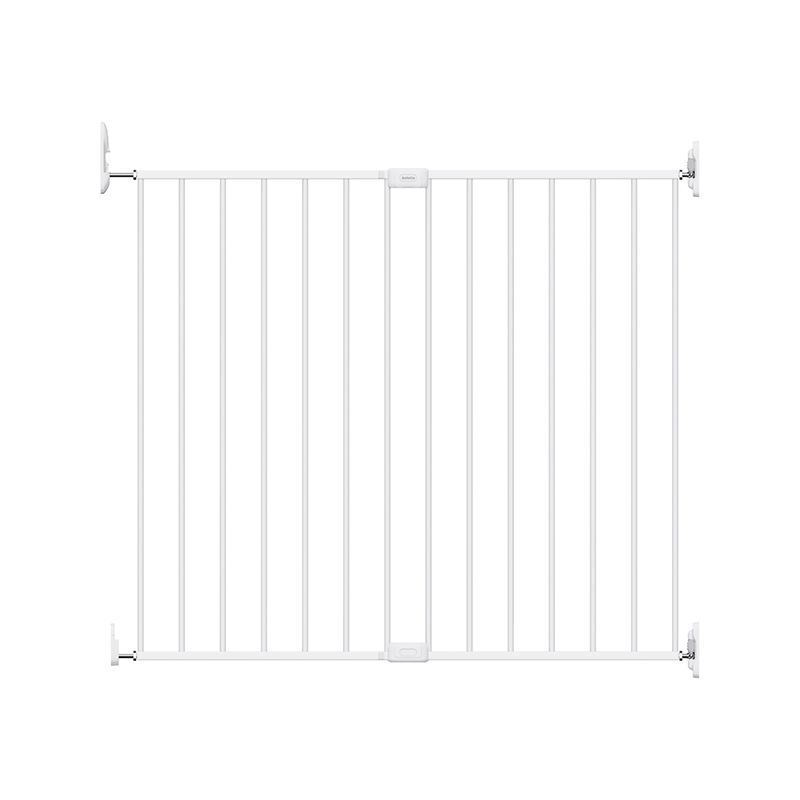
Step 1: Understanding the Structure and Purpose
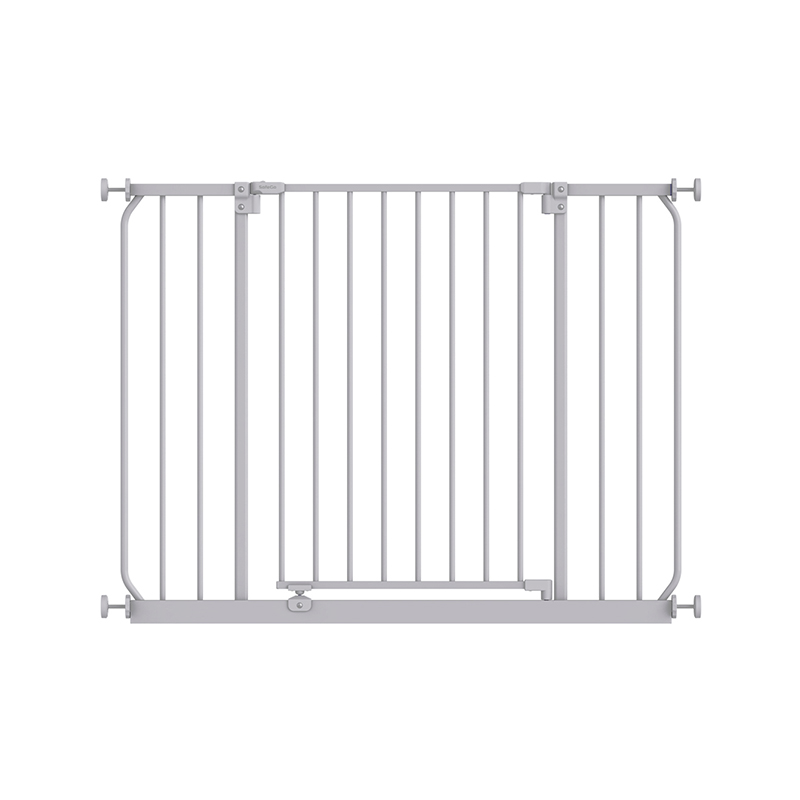
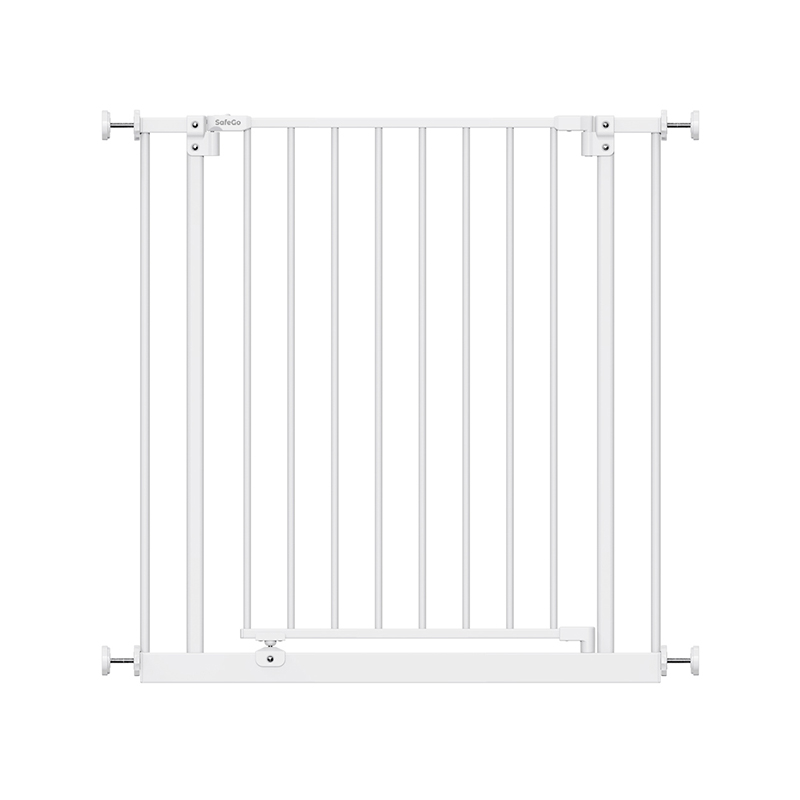
A pressure mounted safety gate uses adjustable tension rods and rubber pads to stay in place without drilling holes or using screws. This design makes it ideal for renters or families who want to avoid wall damage. The gate typically consists of a metal or plastic frame with a central door that swings open for easy passage.
The main purpose of this gate is to create a temporary but stable barrier between rooms or across doorways. Because the installation does not require tools, the setup can be completed in a few minutes. The tension system allows the gate to fit securely between two walls or posts, relying on pressure to hold it in place. Many models include an auto-close feature or dual locking system to prevent children from opening the gate accidentally, providing both safety and convenience for everyday use.
Step 2: Installing and Using the Gate Correctly
Proper installation ensures the gate performs safely. Start by measuring the width of the doorway or opening where it will be placed. Adjust the tension bolts on both sides of the gate until the rubber pads make firm contact with the walls. Tighten evenly to maintain balance—uneven pressure can reduce stability.
After securing the gate, test it by pushing gently from both sides. It should remain stable and not shift under light force. Check the latch mechanism to confirm it locks automatically or with minimal effort. Regularly inspect the tension points to ensure they remain tight, especially if the gate is moved frequently.
The pressure mounted safety gate is suited for flat, even surfaces such as hallway entrances or door frames. While convenient and strong, it is not recommended for the top of staircases, where a hardware-mounted model offers greater long-term security.
Pressure Fit 8-Inch Extension Baby Gate
1. What Is the 8-Inch Extension For?
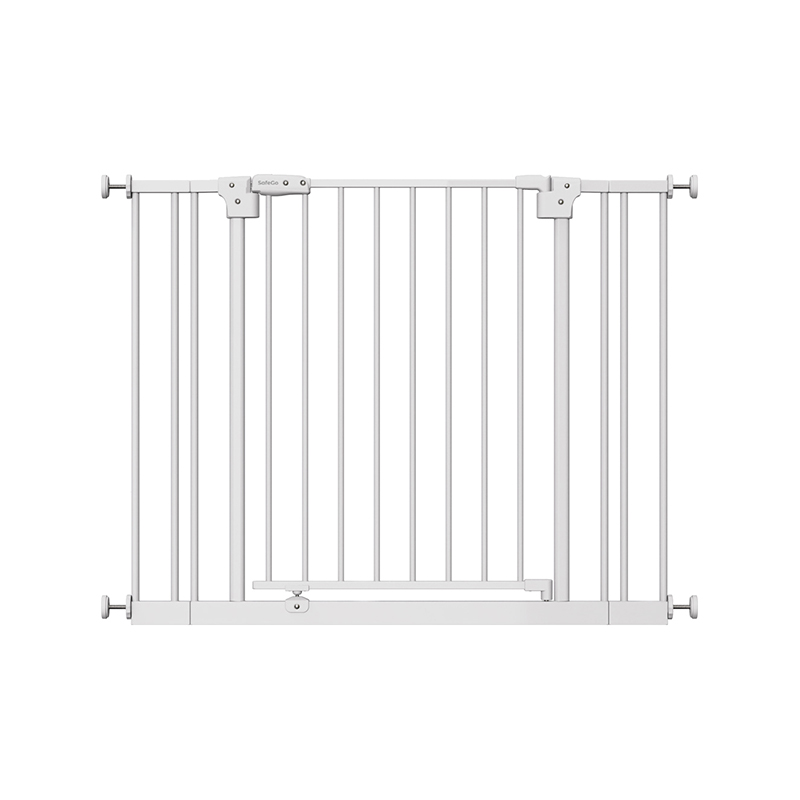
The pressure fit 8-inch extension baby gate is an accessory designed to expand the width of standard pressure-mounted gates. Many homes have wider doorways or open-plan layouts that exceed the typical gate width of around 30 to 35 inches. This extension provides an easy way to increase coverage without replacing the entire gate.
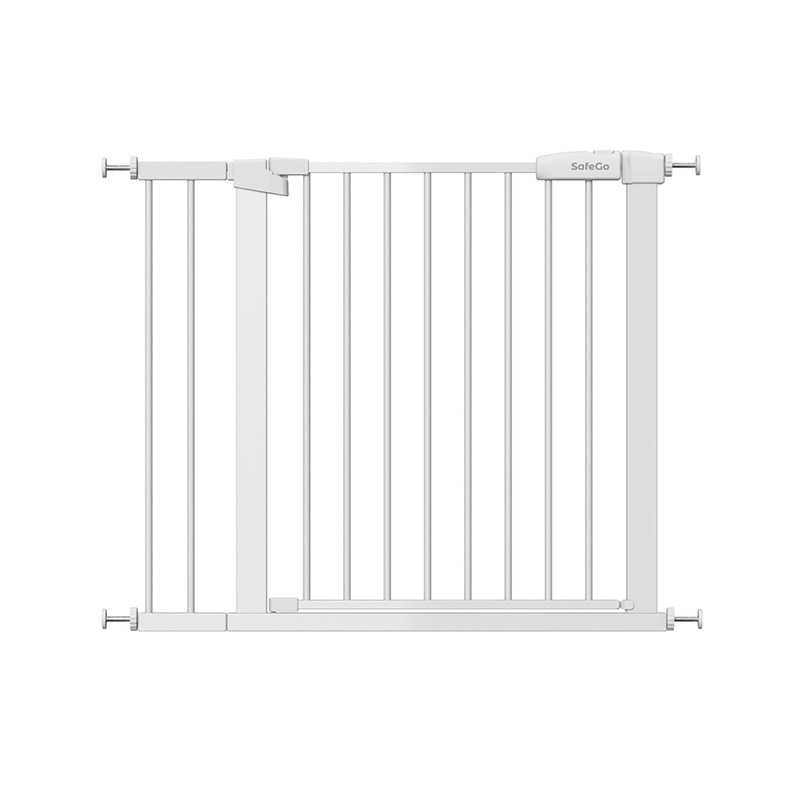
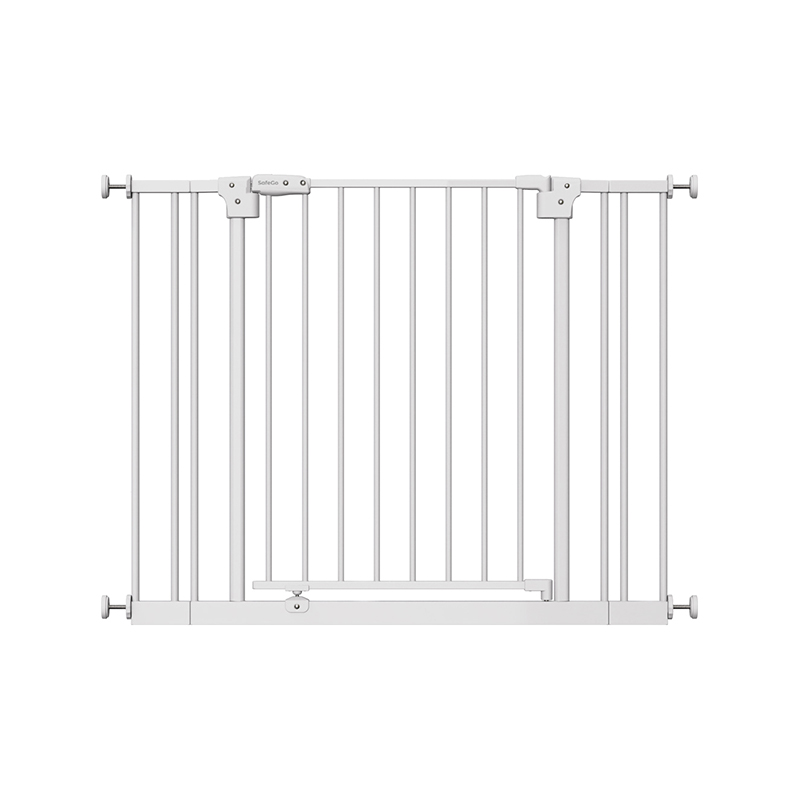
The extension attaches to either side of the main gate frame, maintaining the same pressure-mounted structure. Installation usually involves sliding the extension bars into pre-designed slots and tightening the tension bolts again for a snug fit. The added width allows parents to block larger areas, such as double doorways or wide hall entries, while keeping the same level of safety.
Extensions come in different sizes, but the 8-inch model is among the common and practical options. It balances reach and stability without adding unnecessary weight or bulk to the gate.
2. How to Ensure Stability and Safety
When using a gate extension, maintaining even pressure is essential for safety. Each tension point must be tightened evenly to keep the gate balanced. If the gate leans or tilts, adjust both sides gradually until it stands straight and secure.
Always follow the manufacturer’s instructions to prevent gaps between the gate and the extension panel. Misalignment could create spaces where small children or pets might get stuck. Once installed, perform a stability check by pressing lightly on different parts of the gate. It should stay firm and resist shifting.
For households with multiple openings, extensions can often be combined—up to a manufacturer-specified limit—to fit larger areas. However, adding too many sections may reduce overall strength, so it is better to stay within the recommended range. With proper installation, the pressure fit 8-inch extension baby gate remains a safe and convenient solution for wider spaces.
Related products



Hangzhou Yiyuan Household Products Co., Ltd.
Product Center
Contact Us
- +86-15268686909
- [email protected]
- Room 1303, Tianyue Times Building, No. 750 Fengqing Road, Gongshu District, Hangzhou, Zhejiang, China
Copyright © 2025 Hangzhou Yiyuan Household Products Co., Ltd. All Rights Reserved.

Baby Safety Pen & Pet Gate Factory