
 Inquiry

 English
 Français
 Español
- Type:
- Company News
- Date
- 2025-Jul-13
Company News
Materials and environmental trends.
Sustainable material application: The market is gradually turning to non-toxic and recyclable materials (such as recycled plastics and metals). Some brands have passed the EU CE certification and China Green Building Materials Certification, emphasizing environmental protection attributes.
Anti-pinch design: The new door fence reduces the risk of pinching by extending the locking distance (such as 8cm) and using hidden hardware.
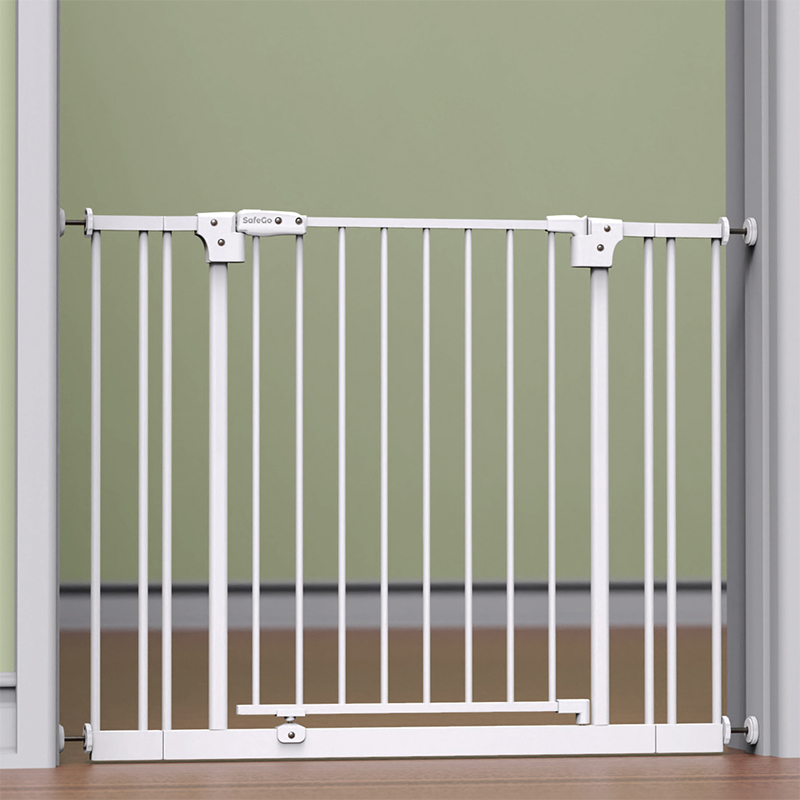
What Are the Uses for an Indoor Baby Fence and Extra Tall Pet Gates?
Creating a safe and functional home environment is a top priority for families with young children and pets. Two essential tools for achieving this are the indoor baby fence and the extra tall pet gate. While they may seem similar at first glance, each is designed with a specific purpose and user in mind. Understanding their distinct roles, optimal applications, and key selection criteria allows you to make the best choice for your household's unique needs, ensuring harmony and safety for all its members.
An indoor baby fence, often a modular playpen, is designed to create a secure, contained space for infants and toddlers to play and explore. Its primary function is to offer a protected area where a child can be left with toys for short periods under supervision, providing parents with peace of mind. Unlike a simple barrier, a baby fence forms a complete enclosure, acting as a portable, personal playground. These fences are typically constructed from panels made of plastic, wood, or mesh, connected to form various shapes like hexagons or squares. The design prioritizes child safety with features like rounded edges, non-toxic finishes, and spacing that prevents head entrapment. The versatility of a baby fence is a significant advantage. It can be configured to fit different room layouts, used to block off large areas like a fireplace or entertainment center, or even taken on visits to grandparents' homes. When selecting a baby fence, key considerations include the height to deter climbing, the stability of the interlocking panels, and the ease of assembly and disassembly for storage. Its value lies in creating a designated "yes" space where a child's curiosity can flourish safely.
Extra tall pet gates serve a very different but equally important purpose: to effectively contain and manage the movement of animals, particularly agile jumpers or large dogs. A standard-height gate that might suffice for a small child is often an easily surmountable obstacle for a determined pet. These specialized gates are engineered to prevent jumping, climbing, and vaulting, making them a crucial tool for pet owners. They are commonly constructed from robust materials like wrought iron, solid wood, or heavy-duty, reinforced plastic to withstand scratching, chewing, and leaning. The defining feature is their height, which often ranges from 36 inches to over 40 inches, creating a psychological and physical barrier that discourages escape attempts. Many models also feature a design with vertical bars and minimal horizontal crossbeams to eliminate footholds that a cat or dog could use to climb. From a functional standpoint, these gates are ideal for blocking stairways, doorways, and other openings to restrict a pet's access to certain rooms—such as the kitchen during mealtimes or a carpeted area during house training. When choosing an extra tall gate, it is critical to ensure it is hardware-mounted for maximum stability, as a pressure-mounted model could be knocked over by a large or energetic animal, leading to injury or damage.
How to Perform Daily Maintenance of Safety Gates?
Establishing standardized daily maintenance routines can effectively extend gate service life. Implement daily, weekly, and monthly inspection schedules: quick stability checks before daily use; detailed weekly inspections of all connection points and locking mechanisms; comprehensive monthly maintenance including tightening all screws and cleaning gate surfaces.
Pay special attention to these key areas during maintenance: first, gate connections to ensure no loosening or deformation; second, locking mechanisms to guarantee flexibility and reliability; finally, gate surfaces to promptly clean accumulated dust and check for damage. For metal gates, regularly inspect the anti-rust coating's integrity; for plastic components, avoid prolonged direct sunlight to prevent material aging. Immediately stop use and replace any components showing wear or damage.
How to Develop Proper Safety Gate Usage Habits?
Cultivating good usage habits is essential for ensuring protective effectiveness. First, establish clear usage protocols among family members, including proper gate operation and when to engage locks. Post simple, understandable instructions near gates, providing special training for elderly family members and nannies.
Avoid these common usage misconceptions: don't hang heavy objects on gates, prevent children from playing near gates, and avoid leaving gates open for extended periods. Maintain usage records documenting each inspection's findings and resolutions. Regularly conduct family safety drills ensuring everyone knows how to quickly pass through gated areas during emergencies. Most importantly, remember that safety gates are supplementary protective tools that cannot replace adult supervision responsibilities.
Related products



Hangzhou Yiyuan Household Products Co., Ltd.
Product Center
Contact Us
- +86-15268686909
- [email protected]
- Room 1303, Tianyue Times Building, No. 750 Fengqing Road, Gongshu District, Hangzhou, Zhejiang, China
Copyright © 2025 Hangzhou Yiyuan Household Products Co., Ltd. All Rights Reserved.

Baby Safety Pen & Pet Gate Factory